

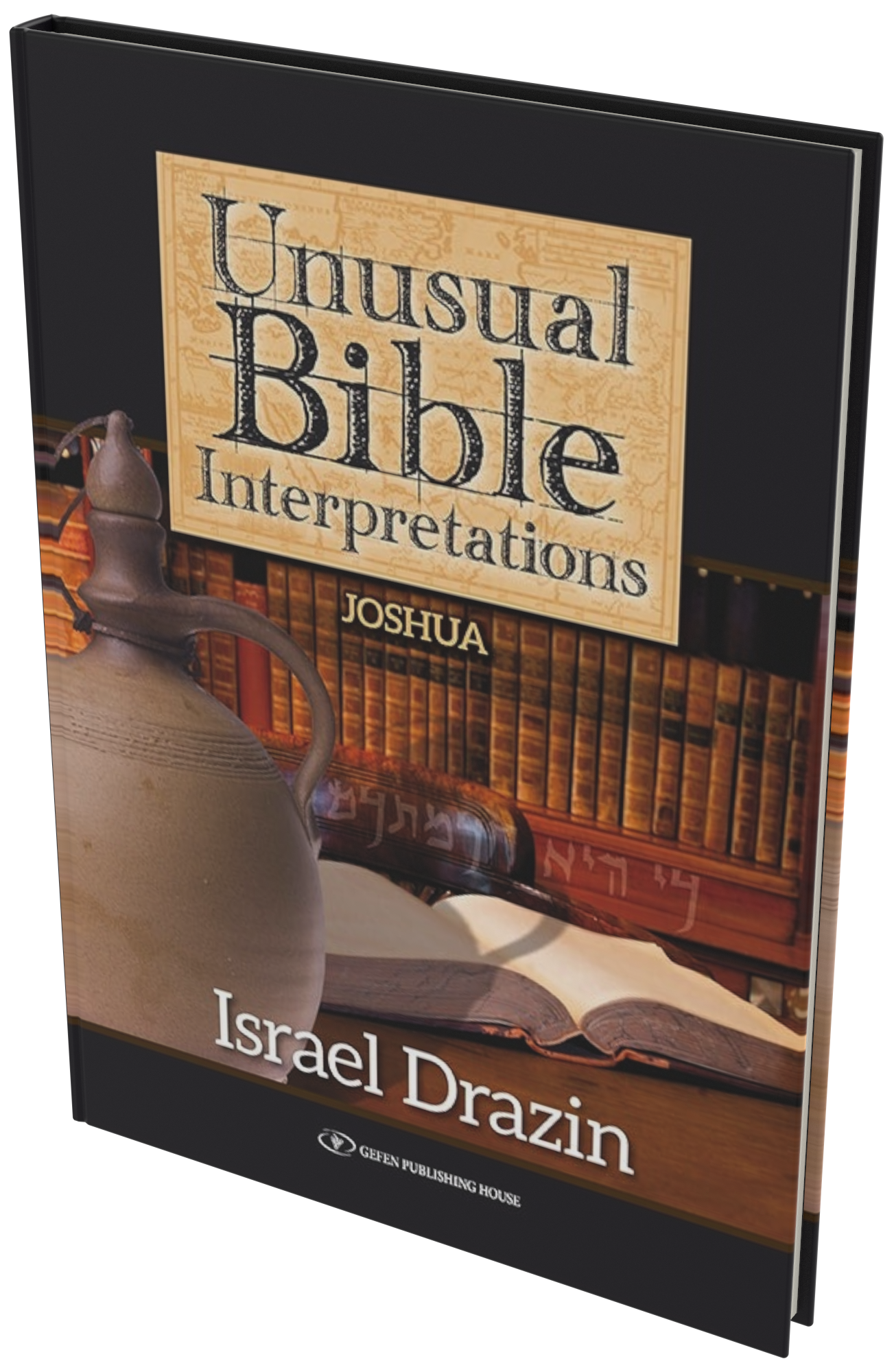
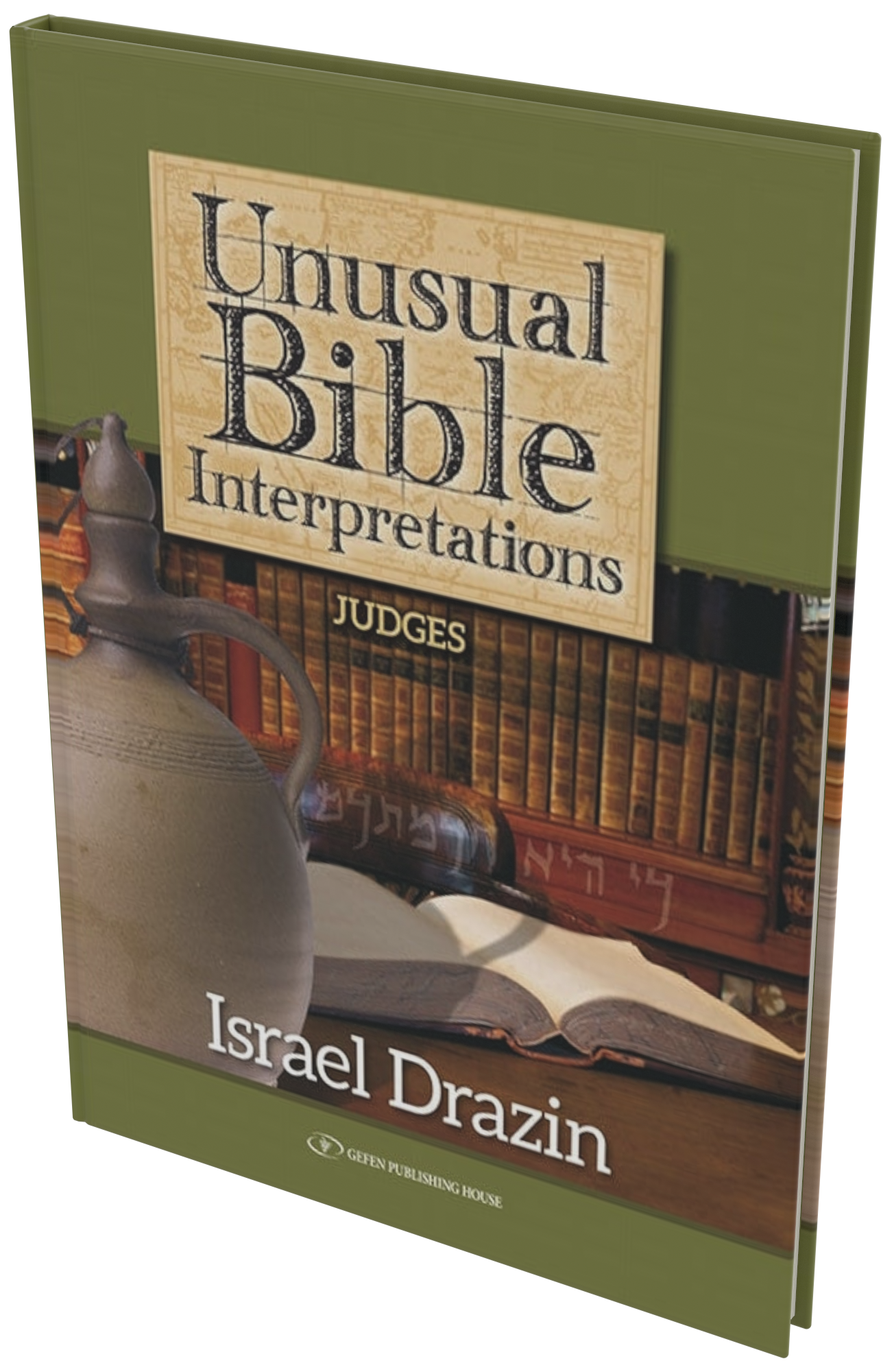
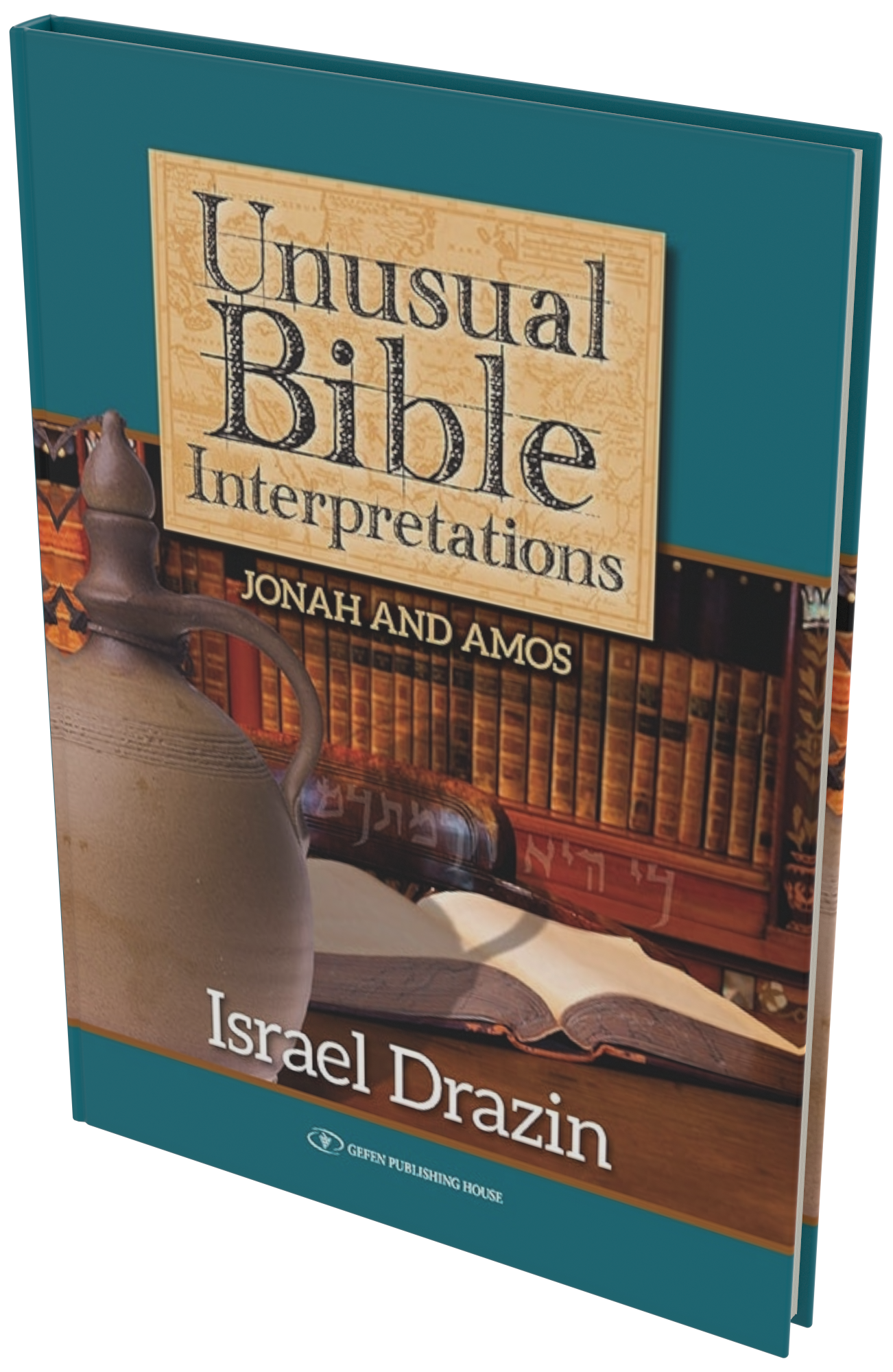
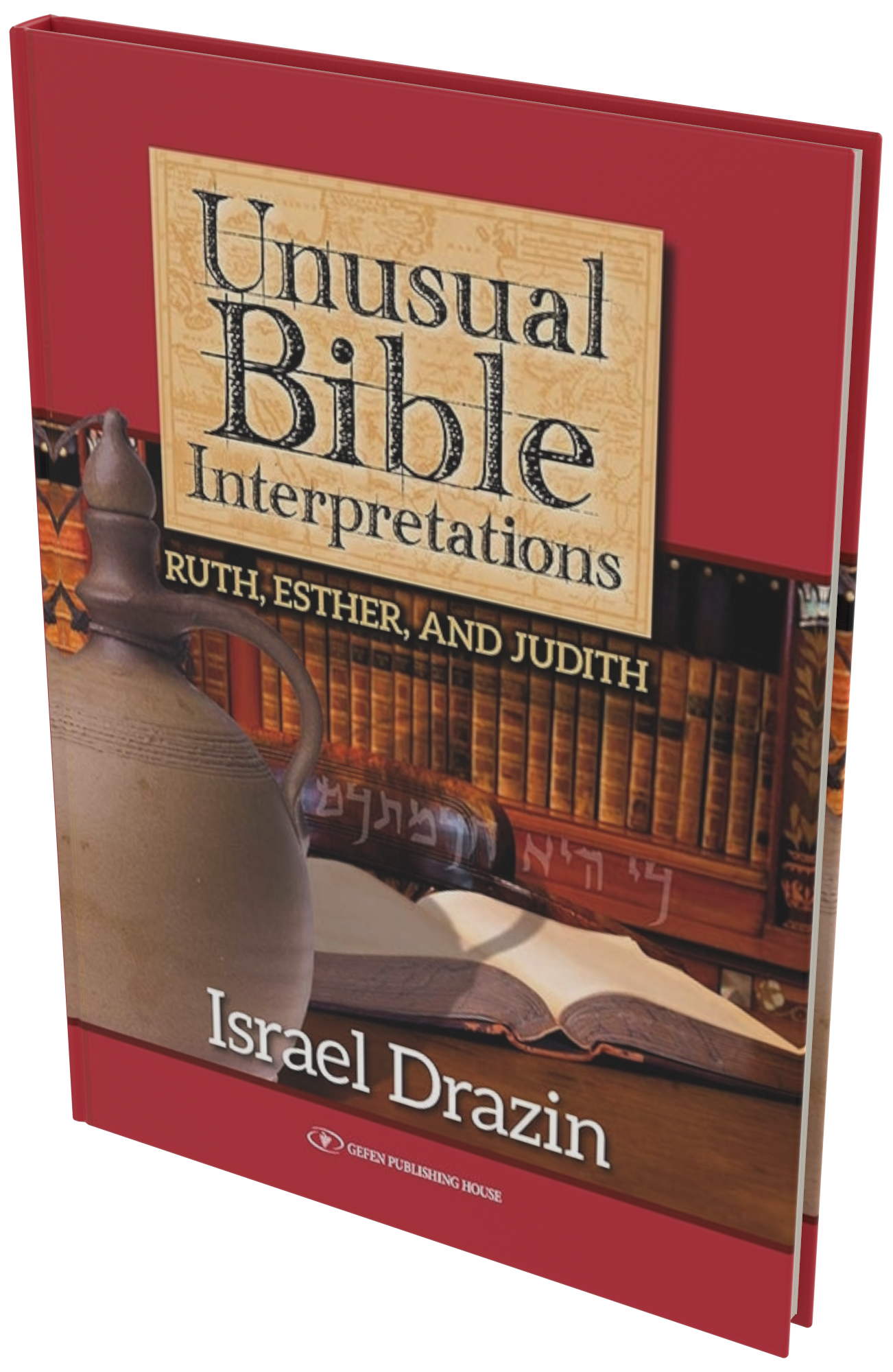
Scripture, translations and sustained commentary.
20 series · 131 books
131 books
Browse publishers and clients →Dates use the first edition in the language and format shown where verified. Other entries retain their recorded work dates while we check them. Books without a confirmed date follow alphabetically.
Bold verse lemmas and italic Torah-portion headings organise the English commentary, with Hebrew quotations and transliterated terms kept within the reading sequence. Numbered footnotes supply further discussion, and a compact Hebrew-script source index provides detailed access to the cited texts.
Separate English and Hebrew sections use single-column pages, centred portion headings and grey rules to distinguish questions, answers and concluding remarks. Numbered answers and nested lettered lists sit within the text measure, with small-cap English running heads and Hebrew running heads tracking the portion.
English and Hebrew sections share one bilingual volume, with a single text column in each reading direction. Centred portion headings, ruled question-and-answer divisions, indented numbered answers and compact running heads give the two sections a consistent structure.
Set in Arno. Single-column commentary uses indented paragraphs, small-cap subheadings and italic terms. Compact numbered footnotes sit below fine rules, with alternating book and chapter running heads and outer folios.
Set in Arno. Single-column commentary uses indented paragraphs, small-cap subheadings and italic terms. Compact numbered footnotes sit below fine rules, with alternating book and chapter running heads and outer folios.
The weekly Torah discussions are organised by parashah and Shabbat meal, with clear essay headings and fine horizontal rules. Numbered “Hearing Your Own Voice” questions form a separate layer below the discussion, giving the reader a consistent place to pause and reflect.
The biblical study uses single-column prose with bold subheadings, inset quotations and italic emphasis. Ornamental chapter numbers, large titles and drop capitals distinguish the openings. A dialogue passage uses small-cap speaker labels with hanging continuations, while an asterisk footnote keeps its source below the text. Small-cap running heads and centred folios continue through the two-part argument.
בינה בפרשה – בראשית ושמות
בינה בפרשה – ויקרא, במדבר ודברים
Produced by Chabad House Publications · Published by Kehot Publication Society
Pointed Hebrew verses sit beside an English interpolated translation, with bold translated text distinguished from regular explanatory additions. Red verse numbers and bilingual chapter headings guide the reading, while compact footnotes remain below. The opening blessings use parallel Hebrew and English, and grey panels mark passages for the congregation to read aloud.
Shaded panels pair pointed Hebrew verses with their English translation. Numbered commentary, italic transliterations and bold italic section headings organize the discussion, while lettered footnotes remain distinct from numbered endnote references.
Shaded panels pair pointed Hebrew verses with their English translation. Numbered commentary, italic transliterations and bold italic section headings organize the discussion, while lettered footnotes remain distinct from numbered endnote references.
Produced by Chabad House Publications · Published by Kehot Publication Society
חכמה יומית – חלק שלישי
Chochmah Yomit – Hebrew compact edition
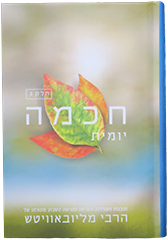
Bold Hebrew headings and centred pointed source quotations give each daily lesson a distinct opening. Right-to-left commentary, compact footnotes and paired running heads follow a consistent page framework, with grey weekday tabs at the outer edge and centred introductions marking each new Torah portion.
Produced by Chabad House Publications · Published by Kehot Publication Society
חכמה יומית – חלק שני
Chochmah Yomit – Hebrew compact edition
This right-to-left Hebrew volume separates reading summaries, bold lesson headings and centred pointed quotations within a single-column page. Thin rules, grey outer weekday tabs and small numbered source notes establish a clear hierarchy; spacious portion openings contrast with the denser daily commentary.
Produced by Chabad House Publications · Published by Kehot Publication Society
Produced by Chabad House Publications · Published by Kehot Publication Society
Produced by Chabad House Publications · Published by Kehot Publication Society
Produced by Chabad House Publications · Published by Kehot Publication Society
Produced by Chabad House Publications · Published by Kehot Publication Society
Produced by Chabad House Publications · Published by Kehot Publication Society
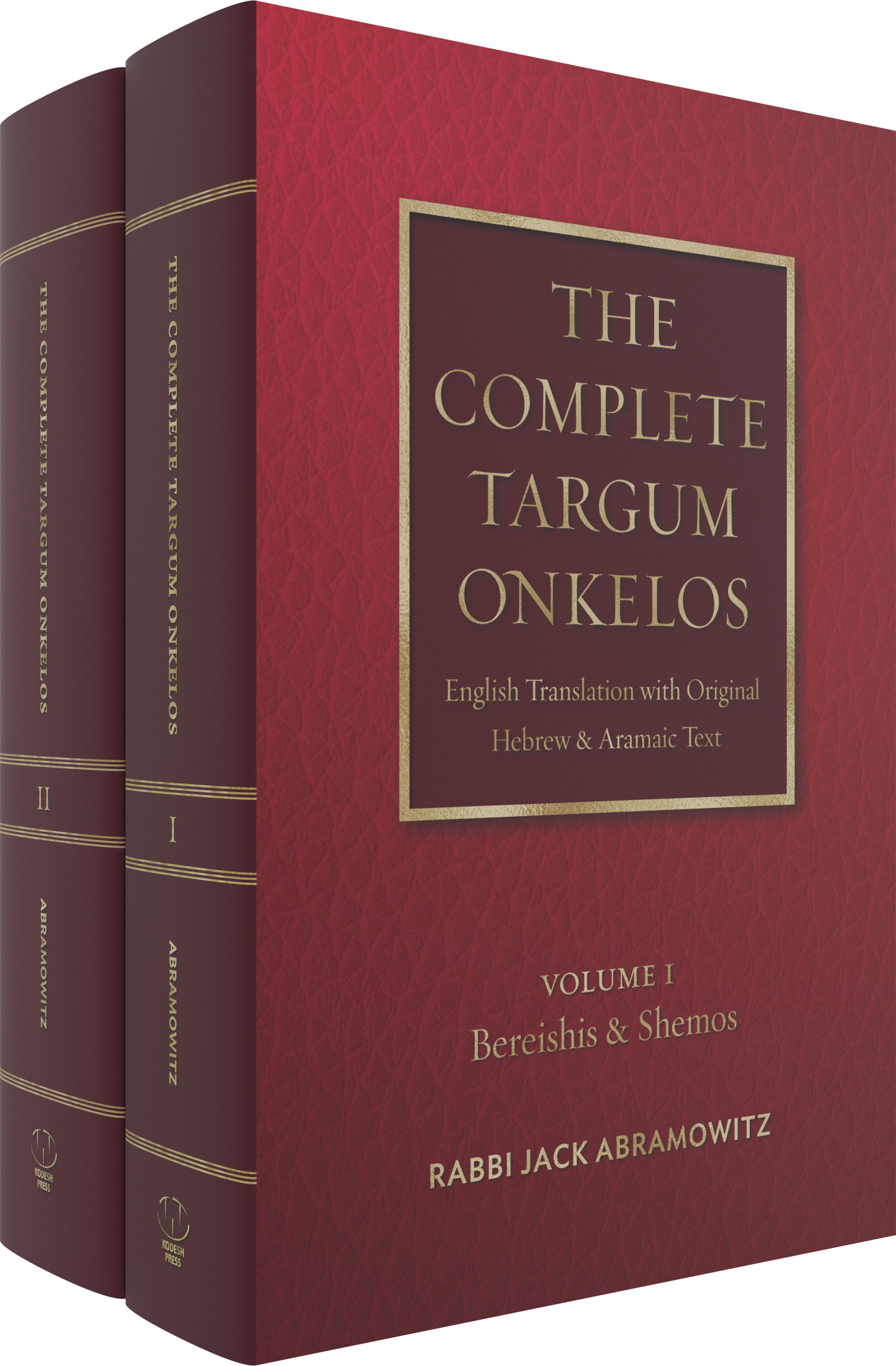
Three-language typesetting brings cantillated Hebrew, pointed Aramaic and English translation together in successive text blocks. Arno Pro English, bold translation distinctions, compact footnotes and ribbon-shaped reading labels establish a clear hierarchy, while the introduction accommodates Hebrew quotations and transliterations.
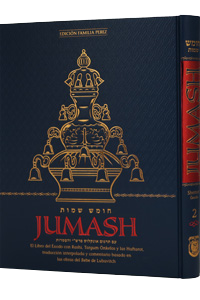
The second volume maintains a coordinated Hebrew, Aramaic and English page design, distinguishing the cantillated Torah text, smaller pointed Targum and Arno Pro translation. Bold English phrases, numbered translation notes and ribbon-shaped reading markers guide the reader through sections of different lengths without separate facing-language columns.
Produced by Chabad House Publications · Published by Kehot Publication Society
Produced by Chabad House Publications · Published by Kehot Publication Society
Produced by Chabad House Publications · Published by Kehot Publication Society
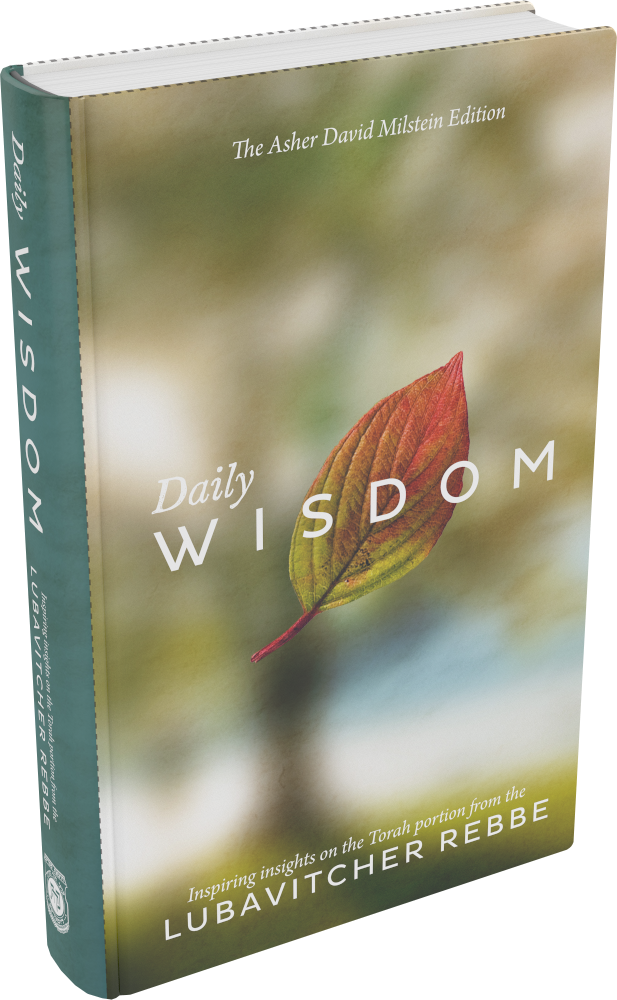
Daily Wisdom – English pocket edition
Small-cap reading labels, italic lesson titles and thin rules organise this pocket edition’s English daily commentary. Pointed Hebrew quotations sit above bold English translations, with source notes at the foot and shaded weekday tabs at the outer edge. Centred portion openings provide a spacious break between groups of readings.
Produced by Chabad House Publications · Published by Kehot Publication Society
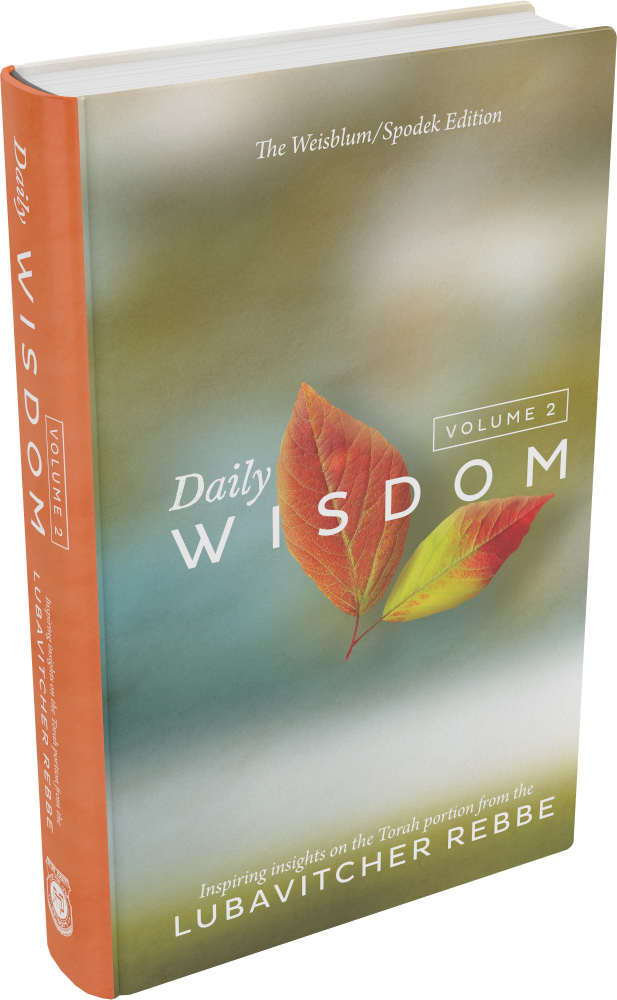
Daily Wisdom – English pocket edition
This pocket volume combines single-column English lessons with pointed Hebrew excerpts and bold translations. Italic headings distinguish the individual insights, small numbered notes collect their sources, and outer weekday tabs identify each reading. Centred portion introductions contrast with the denser daily pages.
Produced by Chabad House Publications · Published by Kehot Publication Society
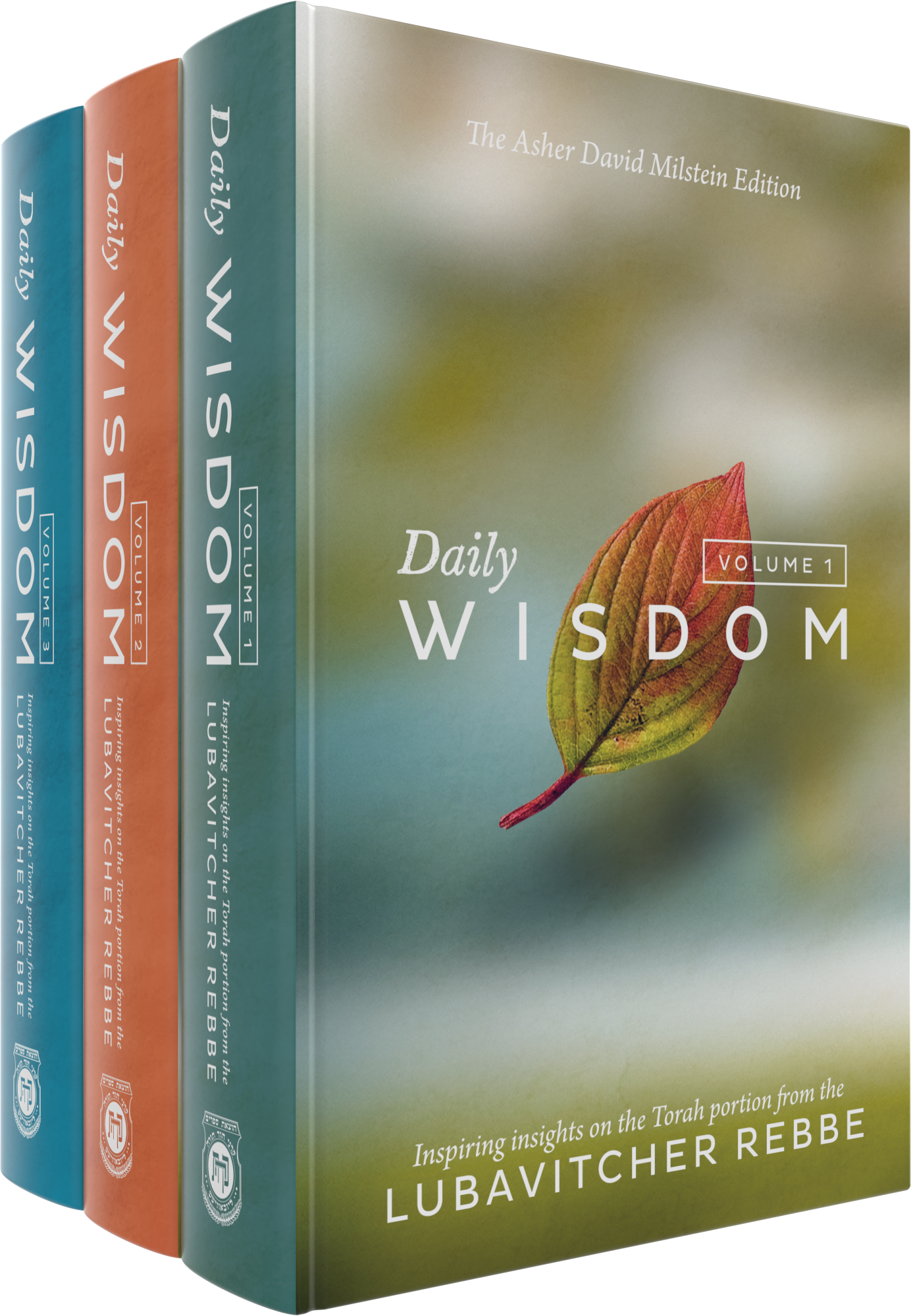
Daily Wisdom – English compact edition
The compact third volume uses a repeated single-column framework for reading summaries, italic lesson headings, pointed Hebrew sources and bold English translations. Footnotes provide small source references beneath the main text; shaded weekday tabs and paired running heads guide the daily sequence, with centred introductions marking each new portion.
Produced by Chabad House Publications · Published by Kehot Publication Society
Produced by Chabad House Publications · Published by Kehot Publication Society
Produced by Chabad House Publications · Published by Kehot Publication Society
Daily Wisdom – English pocket edition
Daily reading summaries lead into short English lessons, separated by italic titles and fine rules. Hebrew source quotations and bold translations establish a second text level, while numbered references remain at the foot. Grey weekday tabs and paired portion running heads support navigation in the pocket format.
Single-column English commentary incorporates pointed Hebrew sources and their English translations. Large sans-serif portion headings and fine rules distinguish the main divisions, while bold essay titles, italic transliterations and paired book and portion running heads organise the shorter discussions.
Single-column English commentary incorporates pointed Hebrew sources and their English translations. Large sans-serif portion headings and fine rules distinguish the main divisions, while bold essay titles, italic transliterations and paired book and portion running heads organise the shorter discussions.
The English commentary is set in Arno. Single-column prose combines with vocalised Hebrew verses, English translations and centred small-cap section headings. Smaller source notes sit beneath short rules, and the running heads distinguish the book title from the weekly Torah portion.
The English commentary is set in Arno. Single-column prose combines with vocalised Hebrew verses, English translations and centred small-cap section headings. Smaller source notes sit beneath short rules, and the running heads distinguish the book title from the weekly Torah portion.
Interfaith Center for Sustainable Development
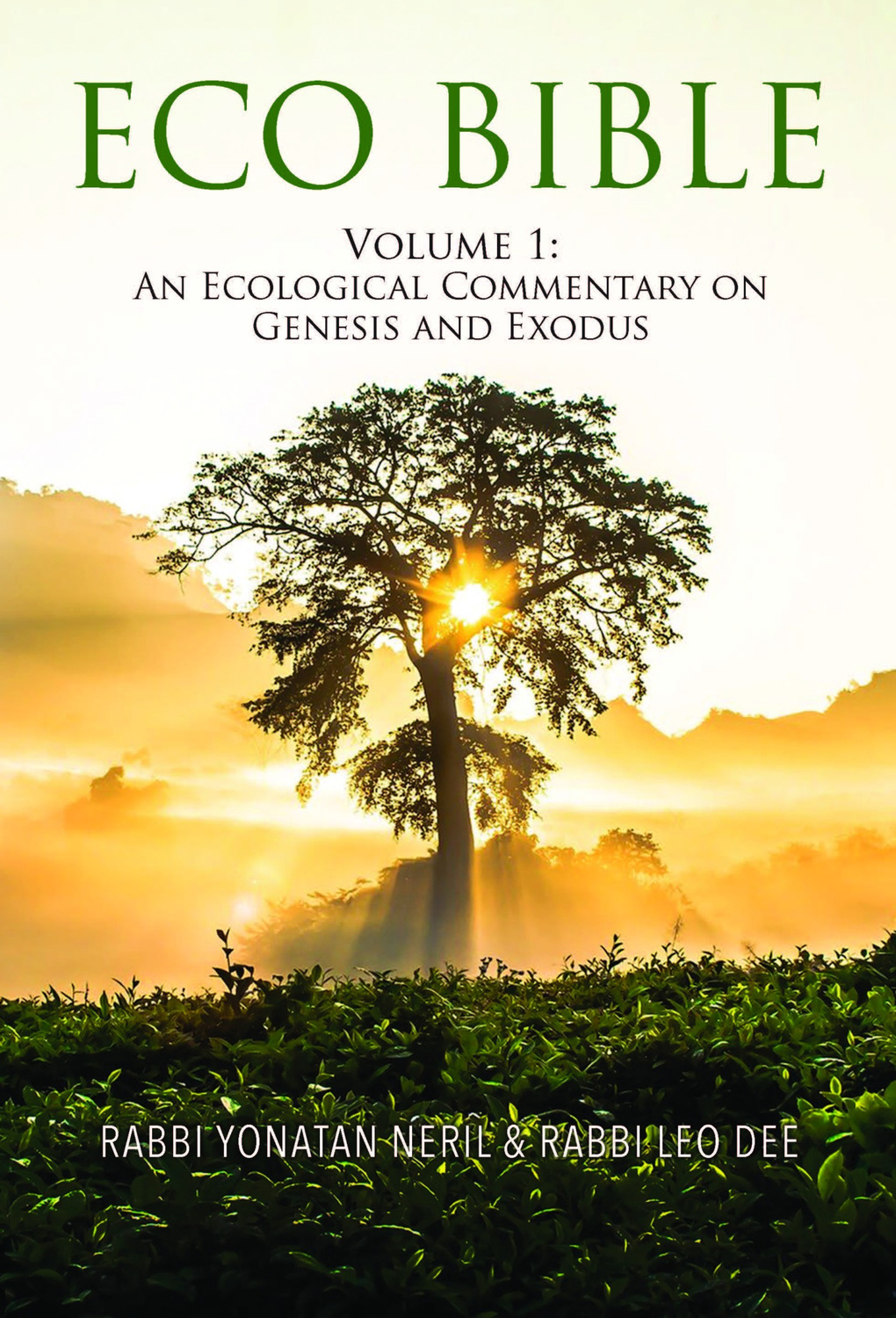
The ecological commentary is set in Arno Pro with Requiem headings and ornaments. Small-cap section titles and italic Bible quotations distinguish the sources from the single-column discussion; inset quotations, numbered action lists and a compact two-column index give the reference material its own structure.
Interfaith Center for Sustainable Development
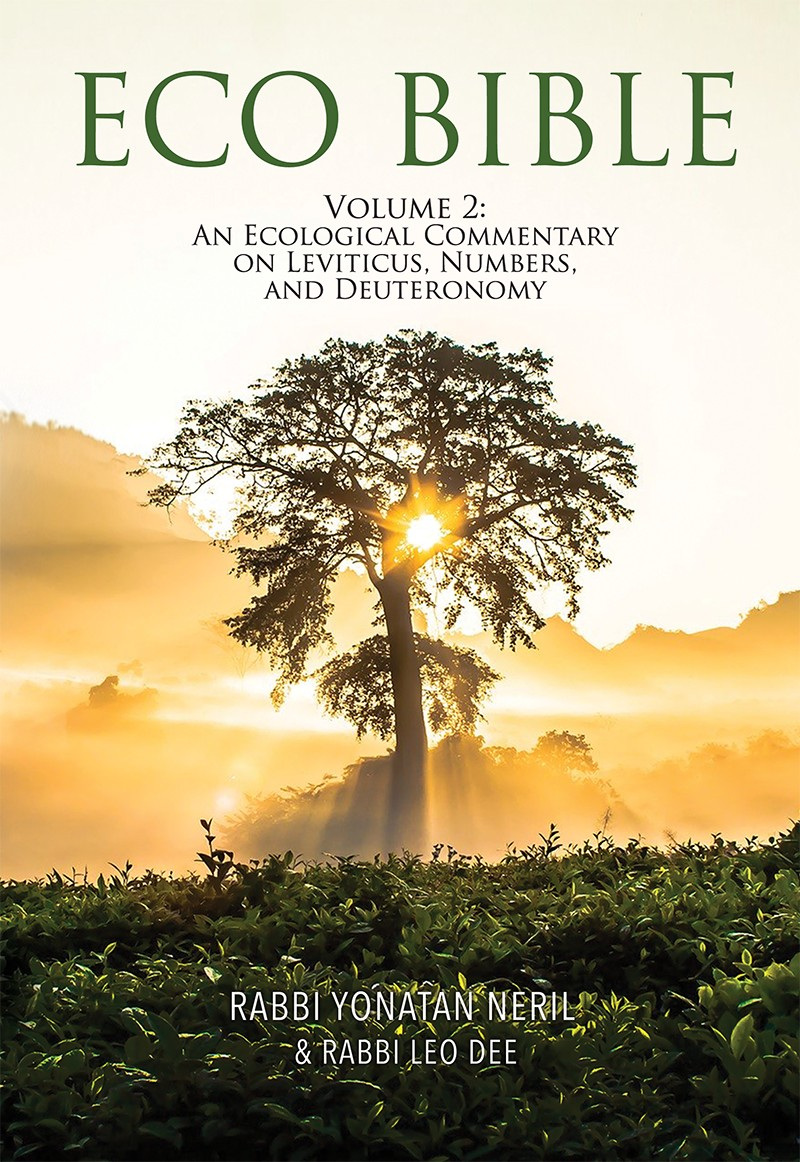
Arno Pro commentary is organised around italic Bible quotations and ornamented small-cap headings, with Requiem used in the heading system. Superscript source references, inset quotations and carefully set transliterations fit the continuous English text, while the back-of-book index uses two compact columns with hanging subentries.
Foundation for Jewish Publications
Retypesetting of the parashah sections for this paperback, within David Willner’s original book design. The principal fonts are Venetian 301 for English commentary and Jerushalmi for Hebrew margin sources. Broad text columns, inset translations, narrow ruled source columns and small-cap citations distinguish the commentary and references.
Foundation for Jewish Publications
Retypesetting of the parashah sections for this paperback, within the original design by David Willner. Broad English text columns combine commentary with indented translations, italic dialogue and occasional Hebrew lines. Narrow ruled outer columns carry Hebrew sources and attributed quotations; small-cap citations, superscript note references and prominent outer folios keep the different reading levels distinct. The principal fonts are Venetian 301 for English commentary and Jerushalmi for Hebrew margin sources.
Foundation for Jewish Publications
Retypesetting of the parashah sections for this paperback, within the original design by David Willner. The English commentary combines indented source translations with Hebrew extracts and short quotations in narrow outer margins. Vertical rules, chapter labels and outer folios define the page structure; small-cap citations and numbered chapter-end notes distinguish the references. The principal fonts are Venetian 301 for English commentary and Jerushalmi for Hebrew margin sources.
Foundation for Jewish Publications
Retypesetting of the parashah sections for this paperback, retaining David Willner’s original book design. English discussion, italic translations and narrow marginal Hebrew sources form distinct layers. Chapter openings add display titles, drop initials and pale Hebrew lettering; staggered verse quotations and compact small-cap citations retain their own rhythm within the commentary. The principal fonts are Venetian 301 for English commentary and Jerushalmi for Hebrew margin sources.
Foundation for Jewish Publications
Retypesetting of the parashah sections for this paperback, within the original design by David Willner. English commentary is interwoven with indented translations, italic quotations and small-cap source references. Hebrew extracts occupy narrow outer columns separated by fine rules; prominent outer folios and chapter labels guide the reader, with numbered notes collected at chapter ends. The principal fonts are Venetian 301 for English commentary and Jerushalmi for Hebrew margin sources.
Foundation for Jewish Publications
Retypesetting of the parashah sections for the paperback edition, retaining the original book design by David Willner. English commentary is accompanied by Hebrew source passages and short italic quotations in narrow outer margins. Indented extracts, small-cap source credits, fine vertical rules and outer running heads and folios distinguish the different layers of text. The principal fonts are Venetian 301 for English commentary and Jerushalmi for Hebrew margin sources.
The English text is set in Arno. Centred chapter openings, bold subheadings and indented quotations organise the eighty essays, with smaller footnotes and a hanging bibliography supporting the reference material.
English typesetting in ITC Legacy sets the biblical commentary in a steady single-column serif text. Centred chapter openings combine spaced small capitals, a fine rule and a larger title. Alternating small-cap running heads and outside folios guide the reader, while indented paragraphs, italic transliterations, numbered arguments and a small ornamental break distinguish the discussion and quoted passages.
English and Hebrew typesetting for this guide to Esther. Vocalised Hebrew verses sit directly above bold English translations, followed by commentary with bold quoted phrases. The earlier narrative sections use centred subheadings and italic summaries; chapter openings pair small-cap numbers, a fine rule and a larger title. Single-column text and alternating running heads keep the sequence clear.
English and Hebrew typesetting for this guide to Esther. Vocalised Hebrew verses sit directly above bold English translations, followed by commentary with bold quoted phrases. The earlier narrative sections use centred subheadings and italic summaries; chapter openings pair small-cap numbers, a fine rule and a larger title. Single-column text and alternating running heads keep the sequence clear.
מסרים ומדריך לחיים מתוך עיני מגילת אסתר
Hebrew commentary uses a single right-to-left column with bold subheadings and numbered explanations. In the verse-by-verse section, pointed and cantillated passages from Esther alternate with unpointed commentary; chapter running heads and outer folios keep the changing text lengths within a consistent page structure.
Produced by Chabad House Publications · Published by Kehot Publication Society
Hebrew prophetic readings stand beside an English interpolated translation, with bold text distinguished from regular commentary. Red verse numbers, bilingual headings and fine rules organise the pages; two-column commentary and smaller source notes sit beneath the parallel text, while larger Hebrew-only readings provide a contrasting page structure.
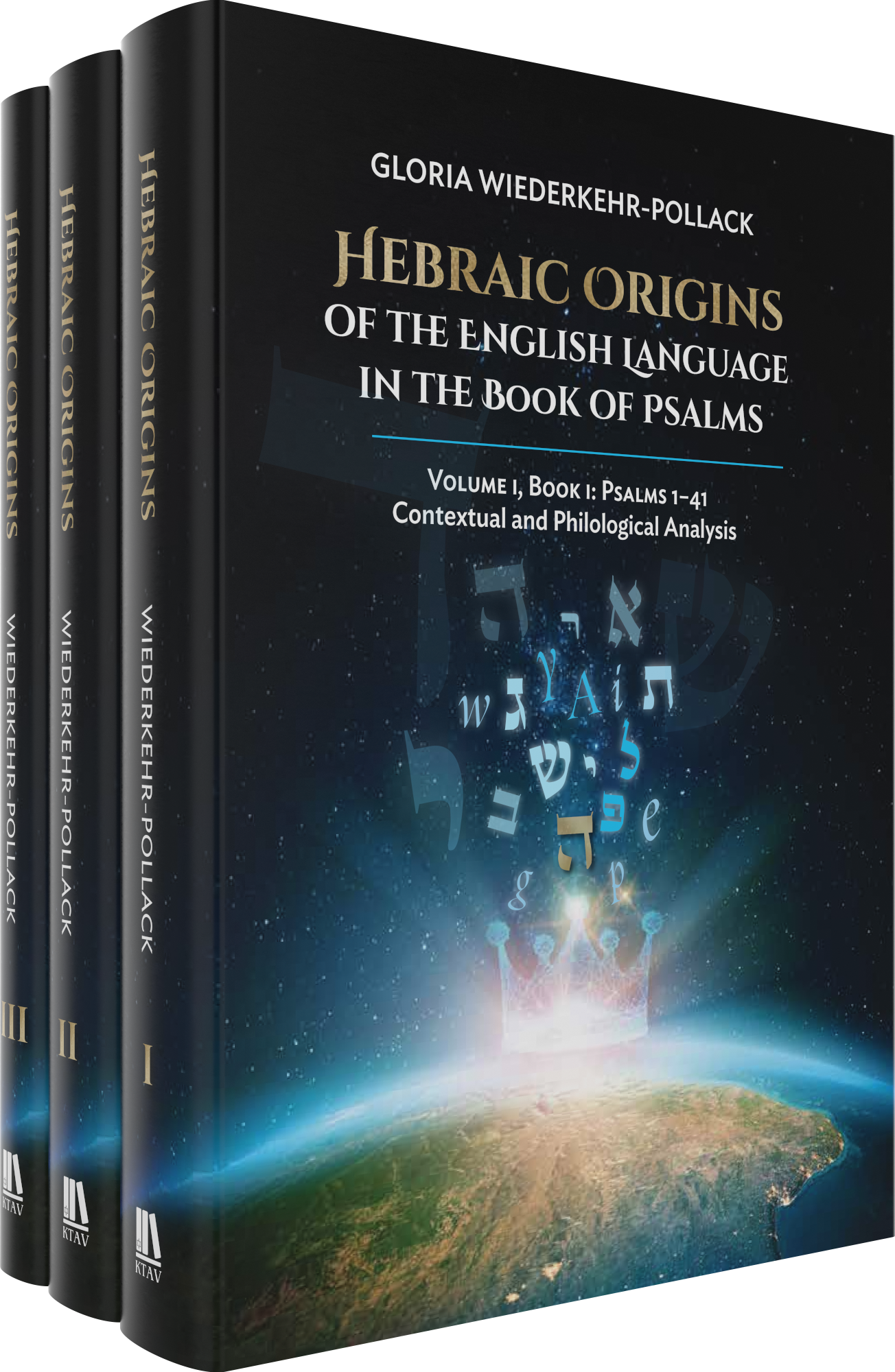
Hebraic Origins of the English Language in the Book of Psalms
English biblical and linguistic commentary set in Arno Pro, with centred chapter openings, drop capitals and running heads that distinguish each Psalm. Compact English–Hebrew word-origin tables sit alongside the prose analysis, with numbered footnotes below. The appendix and hanging-indent bibliography extend the reference structure across the first forty-one Psalms.
Hebraic Origins of the English Language in the Book of Psalms
The second volume continues the Arno Pro setting for Psalms 42–72, combining single-column analysis with English–Hebrew word-origin tables. Centred chapter headings and drop capitals introduce each Psalm, while compact footnotes, italic transliterations and mirrored running heads support the scholarly text. A compendium and an appendix retain the same page structure with their own navigational headings.
Pontifical Institute of Mediaeval Studies (PIMS)
This essay collection pairs contributors’ names with essay titles in the running heads. Manuscript and early-book reproductions sit within the text measure with numbered captions; inset quotations, Hebrew within source notes and a numbered catalogue with hanging indents share the same restrained serif setting.
Single-column serif text is organised by ornamental parashah openings, a separate Haftarah reference and clear essay and small-cap subheadings. Italic quotations and transliterated terms sit within the prose, with light sans-serif running heads, centred folios and an explanatory bibliography using hanging indents.
Produced by Chabad House Publications · Published by Kehot Publication Society
Produced by Chabad House Publications · Published by Kehot Publication Society
Produced by Chabad House Publications · Published by Kehot Publication Society
Produced by Chabad House Publications · Published by Kehot Publication Society
Produced by Chabad House Publications · Published by Kehot Publication Society
Produced by Chabad House Publications · Published by Kehot Publication Society
Jewish Publication Society (JPS) · Published by University of Nebraska Press
Bold sans-serif chapter headings and framed explanatory panels distinguish the main divisions within the serif commentary. Indented or boxed biblical quotations sit alongside extensive numbered footnotes, with small-cap running heads and outside folios identifying each spread.
Set in Arno. Indented verse translations, bold section headings and italic commentary labels establish a clear hierarchy. Archaeological photographs, manuscript fragments and captions accompany the single-column text.
Set in Arno. Indented verse translations, bold section headings and italic commentary labels establish a clear hierarchy. Archaeological photographs, manuscript fragments and captions accompany the single-column text.
English and Hebrew typesetting using Novarese, Arno and Livorna. Pointed and cantillated Hebrew and its English translation sit in parallel columns above the English commentary. Bold italic lead-ins, ruled section headings, running references and folios distinguish the layers; excursus essays use a continuous prose measure.
English and Hebrew typesetting using Novarese, Arno and Livorna. Pointed and cantillated Hebrew and its English translation sit in parallel columns above the English commentary. Bold italic lead-ins, ruled section headings, running references and folios distinguish the layers; excursus essays use a continuous prose measure.
Jewish Publication Society (JPS) · University of Nebraska Press
Produced by Chabad House Publications · Published by Kehot Publication Society
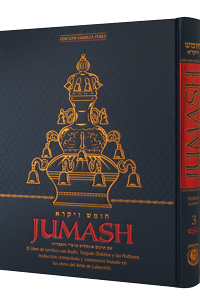
Pointed Hebrew scripture and Targum Onkelos sit above Rashi and Spanish commentary, facing a larger single-column interpolated Spanish translation. Bold and regular text distinguish translation from explanation, while marginal headings, ruled two-column commentary and compact source notes organise the changing text lengths. The haftarot use a separate parallel-text arrangement.
Produced by Chabad House Publications · Published by Kehot Publication Society
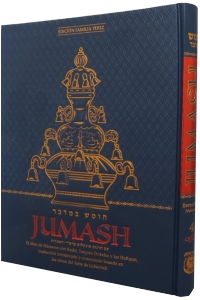
The Devarim pages combine pointed Hebrew scripture, Targum Onkelos and Rashi with an interpolated Spanish translation distinguished by bold and regular text. Italic marginal headings, small-cap reading labels and ruled commentary panels establish a repeated hierarchy; shorter concluding readings and the haftarot vary the layout while retaining paired Hebrew and Spanish running heads.
Produced by Chabad House Publications · Published by Kehot Publication Society
Hebrew scripture, Targum Onkelos and Rashi share a layered page structure opposite an interpolated Spanish translation, with bold text distinguished from regular explanatory additions. Italic marginal headings and small-cap reading labels guide the sequence; ruled commentary panels and compact notes sit below, with labelled line drawings integrated beside the discussion of the priestly garments.
Produced by Chabad House Publications · Published by Kehot Publication Society
English religious essays combine a steady text column with Hebrew quotations, italic transliterations and inset passages. Bold question headings and small asterisk breaks mark changes of topic, while restrained running heads keep the long discussion easy to navigate.
English commentary is set in Arno, with Brioso for the translation and Koren Tanakh for the pointed Hebrew biblical text. Distinct typefaces, numbered verses, indented quotations and compact footnotes separate the text layers within a single-column page.
English commentary is set in Arno, with Brioso for the translation and Koren Tanakh for the pointed Hebrew biblical text. Distinct typefaces, numbered verses, indented quotations and compact footnotes separate the text layers within a single-column page.
Small-cap subject headings lead into inset biblical passages and labelled Rashi, Gur Arye and MDK commentary. Italic extracts and the translator’s reflections stand apart from the main roman text. Numbered footnotes sit below short rules, running heads identify the book division and Torah portion, and blackletter headings mark new sections.
This volume combines English discussion with Hebrew and Aramaic sources, numbered selections and compact footnotes. Small-cap headings and running heads guide the hierarchy, while a geographical frontispiece and two-column index provide distinct reference layouts.
Ktav Publishing House · OU Press
This scholarly volume brings together a supplied historical map, structured chapter outlines and substantial biographical and textual discussion. A clear hierarchy of headings guides the single-column prose and numbered footnotes, followed by a compact two-column index with indented subentries.
Produced by Chabad House Publications · Published by Kehot Publication Society
Cyrillic commentary in Мудрость на каждый день is organised beneath italic lesson headings, pointed Hebrew quotations and bold italic Russian translations. Grey weekday tabs, paired running heads and small source notes repeat through the daily readings; centred portion openings provide a quieter contrast.
Pontifical Institute of Mediaeval Studies (PIMS)
Large reproductions of early printed books and manuscripts sit alongside a single-column scholarly text, each with a numbered caption. Small-cap running heads and outer page numbers guide the chapters; indented quotations, italic titles and substantial footnotes keep the discussion and its sources distinct.
Sulamot · Ktav Publishing House
בינה בפרשה
Warm orange headings distinguish the Torah portions and subsections within a restrained serif page design. Maps and labelled Tabernacle diagrams are integrated with the explanation, while italic quotations, bullet lists and a two-column subject index provide additional ways into the text.
Each essay opens with an italic psalm reference above a bold sans-serif title and a large drop capital. Serif commentary includes indented biblical quotations and numbered lists, with gathered notes at essay endings and short source-credit notes beneath a rule.
Large serif Torah-portion headings introduce the essays, with smaller italic titles marking the psychological themes. The single-column English discussion incorporates occasional vocalised Hebrew quotations and translations, while small-cap running heads and outside folios identify the book and portion.
Set in Arno, with Hebrew quotations in Hadasa. Single-column text combines Hebrew and English passages, italic translations and bold emphasis. Display chapter openings use drop capitals, while small-cap quotation labels and alternating running heads maintain the hierarchy.
Verse references set into the margin organise this English Torah commentary. Hebrew with biblical accents, Arabic words and italic transliterations appear within the discussion, with compact footnotes below and centred parashah headings marking the main divisions.
Numbered chapter openings pair italic essay titles and contributor bylines with drop-capital initials. Inset source quotations, several levels of subheading and compact footnotes support the anthology’s different arguments, while contributor and essay running heads preserve a consistent structure.
Arno Pro English text is paired with Hebrew source quotations and English translations. Italic transliterations and small-cap citations distinguish supporting material, while act-and-scene running heads and an asterisked footnote beneath a short rule organize the pages.
Arno Pro English text is paired with Hebrew source quotations and English translations. Italic transliterations and small-cap citations distinguish supporting material, while act-and-scene running heads and an asterisked footnote beneath a short rule organize the pages.
Produced by Chabad House Publications · Published by Kehot Publication Society
Portuguese daily commentaries combine italic lesson titles, small-cap reading labels and bold translations beneath pointed Hebrew quotations. Grey weekday tabs and paired running heads guide the sequence; compact footnotes remain below each single-column reading, while centred portion introductions mark a change of pace.
Produced by Chabad House Publications · Published by Kehot Publication Society
Spanish reading summaries and italic lesson titles lead into pointed Hebrew quotations, bold translations and single-column commentary. Small-cap reading labels, grey weekday tabs and footnotes guide the sequence, while occasional short lists sit within the main text without interrupting its page structure.
Produced by Chabad House Publications · Published by Kehot Publication Society · Italian co-edition by Mamash Edizioni
Italian daily reading summaries and italic lesson titles lead into pointed Hebrew quotations, bold translations and a single column of commentary. Small-cap reading labels, grey weekday tabs and compact footnotes organise the sequence, while centred portion openings create a quieter change of pace.
The English text is set in Arno. Inset Hebrew passages with bold reference headings alternate with English translations and commentary. Bold English subheadings mark the study sections, and running heads and outer page numbers help readers navigate.
The English text is set in Arno. Inset Hebrew passages with bold reference headings alternate with English translations and commentary. Bold English subheadings mark the study sections, and running heads and outer page numbers help readers navigate.
Centred essay titles and small-cap openings organise these reflections on Bereishit. The single-column setting includes indented quotations, italic terms and compact footnotes, with running heads distinguishing the parashah from each essay and discreet asterisks separating sections.
שני ספרים: AJS על הפרשה • מילים לחיים
Hebrew text uses a single right-to-left column, centred portion headings and numbered questions and answers separated by grey rules. Pointed biblical quotations stand out within the discussion, while the collected sermons retain the same running heads and outer folios.
Parashah headings and light essay titles introduce these English Torah reflections, with fine rules, italic opening quotations and small-cap lead-ins giving the openings a clear hierarchy. The continuing pages use a consistent text column with italic transliterations and compact running heads.
Set in Arno. Biblical quotations and commentary share a single column, with contrasting sans-serif subheadings and compact numbered footnotes. Pointed Hebrew passages and shaded bilingual tables support the close reading.
Set in Arno. Biblical quotations and commentary share a single column, with contrasting sans-serif subheadings and compact numbered footnotes. Pointed Hebrew passages and shaded bilingual tables support the close reading.
The reading text is set in Minion. Italic running heads, outer folios, numbered lists and short bold subheadings distinguish the memoir from its Torah reflections. A chapter opening places compact source notes beneath the introductory text while retaining the facing blank page.
English Torah essays set in Arno, with Hebrew quotations and their English translations integrated into a single-column page. Paired running heads identify the book of the Torah and the current essay, while parasha names, essay titles and fine rules establish the hierarchy. The contents and glossary use aligned entries, clear indents and restrained changes of weight.
Set in Arno. Spacious chapter openings pair line illustrations with large titles and drop capitals. English commentary incorporates Hebrew quotations, italic transliterations and footnotes beneath short rules. Running heads and bold subheadings provide orientation.
Set in Arno. Spacious chapter openings pair line illustrations with large titles and drop capitals. English commentary incorporates Hebrew quotations, italic transliterations and footnotes beneath short rules. Running heads and bold subheadings provide orientation.
Scholarly typesetting in Legacy Serif brings English essays, Hebrew texts and manuscript comparisons into a consistent page design. Aligned comparison images, editorial symbols, compact footnotes and a two-column index give the volume’s varied reference material a clear hierarchy.
Zoo Torah / Torah and Nature Foundation · Maggid Books · Koren Publishers Jerusalem · OU Press
The English text is set in Arno. Indented quotations pair right-to-left Hebrew sources with English translations, and smaller bilingual footnotes sit below short rules. Text pages use small-cap running heads and outer page numbers, while the chapter opener has a centred title and page number.
The English text is set in Arno. Indented quotations pair right-to-left Hebrew sources with English translations, and smaller bilingual footnotes sit below short rules. Text pages use small-cap running heads and outer page numbers, while the chapter opener has a centred title and page number.
The English text is set in Arno, with justified paragraphs and first-line indents. Chapter openings pair an uppercase Torah portion name with a large serif title. Superscript references point to footnotes set off by a short rule.
The English text is set in Arno, with justified paragraphs and first-line indents. Chapter openings pair an uppercase Torah portion name with a large serif title. Superscript references point to footnotes set off by a short rule.
Renaissance Torah Press / Abravanel’s World of Torah
A single-column Arno text setting for Zev Bar Eitan’s anthology of Abravanel’s Torah commentary. Centred portion headings, small-cap essay titles and fine rules distinguish the short discussions, with italic biblical quotations introducing the commentary. Mirrored running heads, outer folios and carefully spaced lists carry the structure through the five books of Moses.
English analysis of biblical songs combines Hebrew quotations, verse arranged in short lines and detailed footnotes. Small-cap subheadings and indented numbered outlines clarify the discussion, with transliterated terms distinguished in italics. The typesetting accommodates changing quotation lengths and note depths within a consistent single-column page.
Ktav Publishing House · OU Press
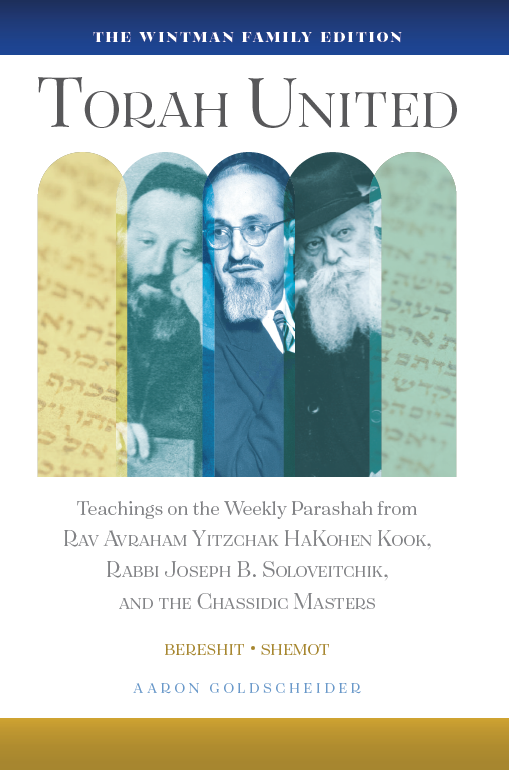
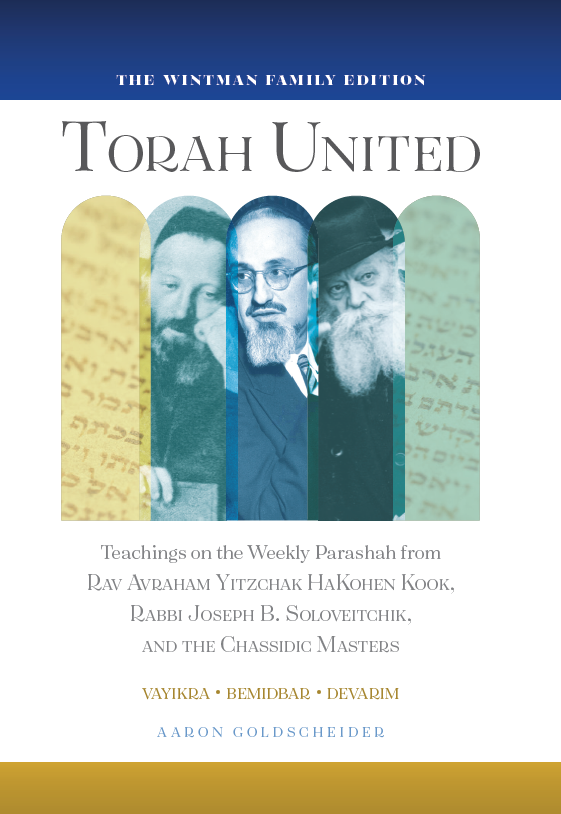
The first volume organises English essays on the weekly parashah with distinctive openings for teachings from Rav Kook, Rabbi Soloveitchik and the Chassidic masters. Compact footnotes accompany the prose, while separately set Hebrew source passages form a distinct reference section rather than a facing translation.
Ktav Publishing House · OU Press
The second volume continues the English essays and Hebrew source collections in the same reading hierarchy. Section openings distinguish the different teaching traditions, a short Hebrew–English prayer is arranged in parallel, and an appendix preserves a source letter as a facsimile with an English caption.
Set in Arno. Single-column commentary uses small-cap subheadings, shaded text panels and compact footnotes below fine rules. Centred italic chapter and excursus headings sit beneath a small sword ornament; running heads and outer folios identify the text.
Set in Arno. Single-column commentary uses small-cap subheadings, shaded text panels and compact footnotes below fine rules. Centred italic chapter and excursus headings sit beneath a small sword ornament; running heads and outer folios identify the text.
English scholarly typesetting uses a single-column serif text, indented biblical quotations with right-aligned references, and smaller numbered footnotes beneath short rules. Chapter openings combine italic chapter labels and bold titles over greyscale artwork; maps face the openings. Italic transliterations, occasional Hebrew notes and small-cap running heads carry the detail of the commentary.
Set in Minion with Cambria headings. Single-column commentary is organized with shaded context panels, bold subheadings and ruled lettered divisions. Large pale numbers mark chapter openings; compact footnotes, running heads and outer folios keep references and navigation distinct.
Set in Minion with Cambria headings. Single-column commentary is organized with shaded context panels, bold subheadings and ruled lettered divisions. Large pale numbers mark chapter openings; compact footnotes, running heads and outer folios keep references and navigation distinct.
Set in Minion. Single-column text combines italic emphasis, shaded opening panels and bold headings. Large grey chapter numerals and lettered rules distinguish sections; small-cap running heads, outer folios and bottom-of-page footnotes maintain a consistent page structure.
Set in Minion. Single-column text combines italic emphasis, shaded opening panels and bold headings. Large grey chapter numerals and lettered rules distinguish sections; small-cap running heads, outer folios and bottom-of-page footnotes maintain a consistent page structure.
A consistent hierarchy separates biblical extracts, context, commentaries and derash in this English Torah commentary. Arno Pro text, small-capital commentator names, bold lead-ins and small ornaments distinguish the sections; centred portion openings, italic epigraphs and a hanging-entry bibliography complete the design.
Set in Arno. Bold numbered verses alternate with regular commentary; shaded quotations, numbered points and small-cap subheadings distinguish the text structure. Compact footnotes sit beneath short rules, with small-cap running heads and outer folios for navigation.
Set in Arno. Bold numbered verses alternate with regular commentary; shaded quotations, numbered points and small-cap subheadings distinguish the text structure. Compact footnotes sit beneath short rules, with small-cap running heads and outer folios for navigation.
Set in Arno. English single-column commentary uses small-cap question headings, italic biblical summaries and numbered footnotes. Chapter openings combine a decorative pointer image with centred headings; running heads, outer folios and a hanging-entry reference list guide the reader through the discussion of Joshua.
Set in Arno. English single-column commentary uses small-cap question headings, italic biblical summaries and numbered footnotes. Chapter openings combine a decorative pointer image with centred headings; running heads, outer folios and a hanging-entry reference list guide the reader through the discussion of Joshua.
Set in Arno. Large italic chapter and excursus headings sit above ruled introductory panels. Small-cap subheadings, running heads and bottom-of-page footnotes provide a consistent hierarchy within the single-column text.
Set in Arno. Large italic chapter and excursus headings sit above ruled introductory panels. Small-cap subheadings, running heads and bottom-of-page footnotes provide a consistent hierarchy within the single-column text.
Set in Arno. Small-cap subheadings, bulleted points and indented quotations structure the single-column commentary. Compact numbered footnotes sit beneath short rules, with small-cap running heads and outer folios for navigation.
Set in Arno. Small-cap subheadings, bulleted points and indented quotations structure the single-column commentary. Compact numbered footnotes sit beneath short rules, with small-cap running heads and outer folios for navigation.
Quill ornaments, italic chapter labels and shaded introductory panels introduce each group of biblical questions. The single-column pages combine hanging bullet lists, italic transliterations and small-cap running heads; a compact two-column index provides a distinct reference layout.
Quill ornaments, italic chapter labels and shaded introductory panels introduce each group of biblical questions. The single-column pages combine hanging bullet lists, italic transliterations and small-cap running heads; a compact two-column index provides a distinct reference layout.
Set in Arno. Shaded introductory panels distinguish chapter summaries from the single-column commentary. Italic chapter headings and small-cap subheadings create a clear hierarchy; numbered footnotes sit below fine rules.
Set in Arno. Shaded introductory panels distinguish chapter summaries from the single-column commentary. Italic chapter headings and small-cap subheadings create a clear hierarchy; numbered footnotes sit below fine rules.
English typesetting for this study of Elijah. Italic chapter numbers and a small staff illustration introduce shaded chapter summaries, followed by single-column prose. Letterspaced small-cap subheadings, indented numbered lists and compact ruled footnotes organise the discussion. Alternating book and chapter running heads keep the short sections easy to navigate. The reading text, chapter headings and footnotes are set in Arno, using its regular, italic and small-text styles.
English typesetting for this study of Elijah. Italic chapter numbers and a small staff illustration introduce shaded chapter summaries, followed by single-column prose. Letterspaced small-cap subheadings, indented numbered lists and compact ruled footnotes organise the discussion. Alternating book and chapter running heads keep the short sections easy to navigate. The reading text, chapter headings and footnotes are set in Arno, using its regular, italic and small-text styles.
Set in Arno. Numbered biblical verses are separated from the commentary by typographic changes and shading. Small-cap subheadings, indented quotations and compact footnotes structure the pages, with alternating running heads and outer folios.
Set in Arno. Numbered biblical verses are separated from the commentary by typographic changes and shading. Small-cap subheadings, indented quotations and compact footnotes structure the pages, with alternating running heads and outer folios.
The commentary opens each parashah with a large number, a ruled Hebrew–English heading, a pointed biblical verse and its italic English translation. Large drop capitals mark the essays, while transliterated terms remain distinct in italics. Continuing pages pair small-cap book running heads with italic parashah heads and outer page numbers. A sectioned bibliography uses hanging indents and italic titles.
No books match these filters. Try another title or clear the filters.
Individual volumes and editions are listed separately. The collection grows as we add more of our work.