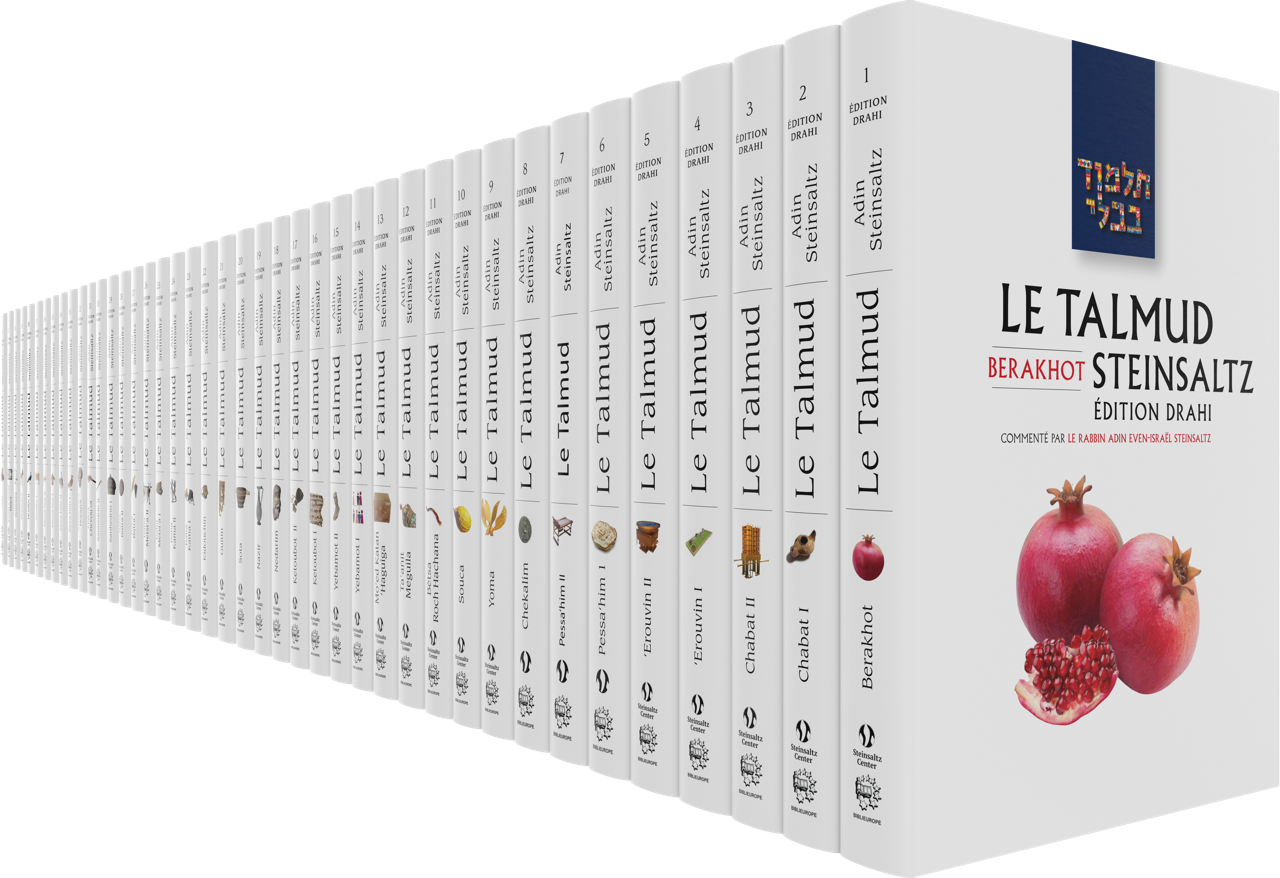
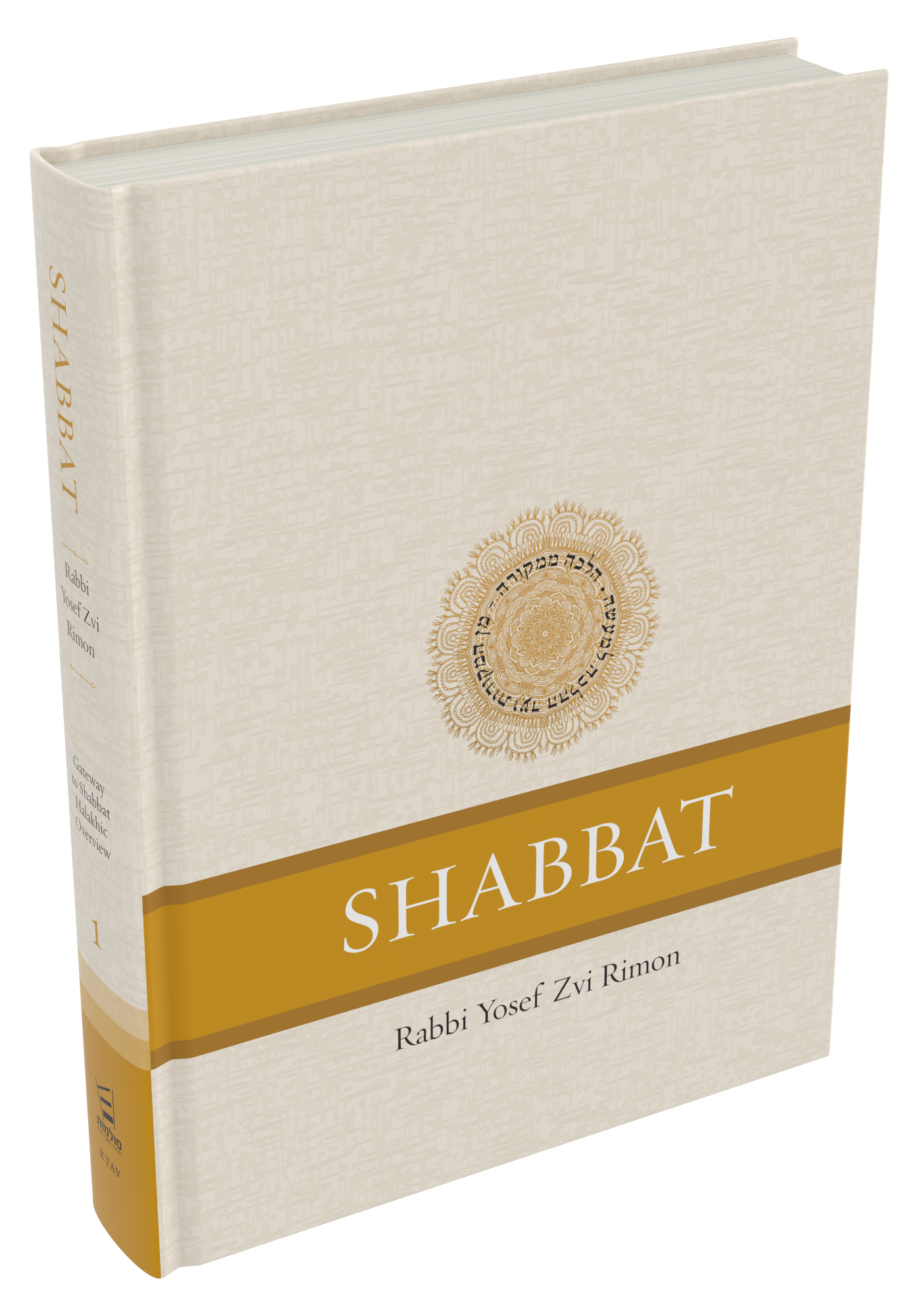
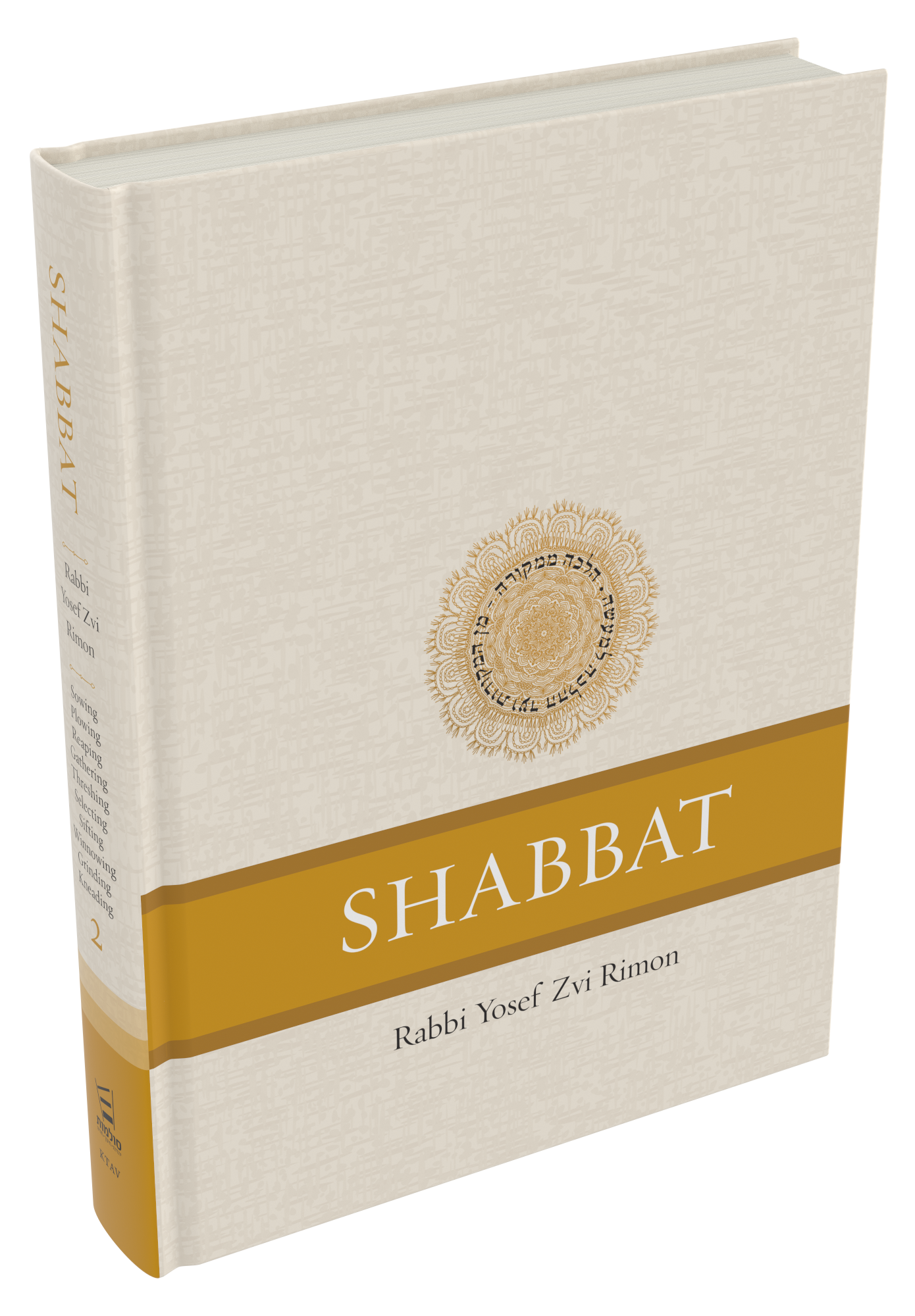
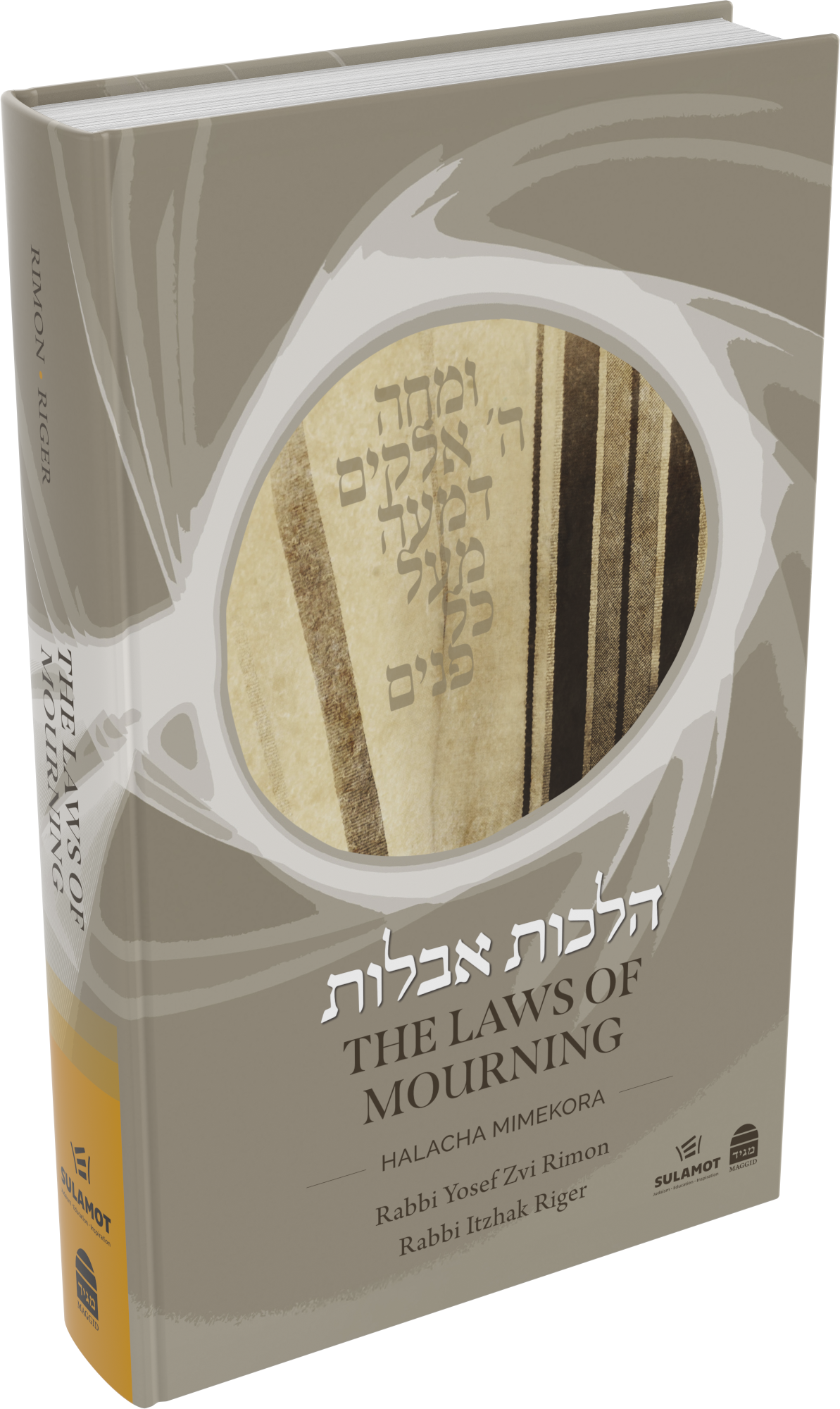
As a graphic designer, I love collaborating with Raphaël. He’s a skilled typesetter, and our creative back-and-forth brings the cover and interior together. With patience and professionalism, he’s shared his knowledge about typesetting, InDesign, AI, and quotation marks. I always look forward to seeing what we’ll make together next.
Dates use the first edition in the language and format shown where verified. Other entries retain their recorded work dates while we check them. Books without a confirmed date follow alphabetically.
Other books
The Talmud and the Presidents: What Jewish Wisdom Can Teach America About Power and Leadership
The English text is set in Arno in a single column. Ideal Sans is used for the chapter headings and bold subheadings. Drop capitals mark chapter openings, while small-cap running heads and outer folios guide the reader through the text. Superscript note numbers refer to the endnotes.
The English text is set in Arno in a single column. Ideal Sans is used for the chapter headings and bold subheadings. Drop capitals mark chapter openings, while small-cap running heads and outer folios guide the reader through the text. Superscript note numbers refer to the endnotes.
The English reading text is set in Arno. Requiem is used for the chapter headings and section headings. Spacious chapter openings lead into a single-column layout with inset quotations, occasional Hebrew terms and small-cap running heads. Numbered endnotes use a smaller setting with Hebrew passages and references, while the two-column index organises references to Maimonides’ writings. The Hebrew epigraph is set in Frank Rühl.
The English reading text is set in Arno. Requiem is used for the chapter headings and section headings. Spacious chapter openings lead into a single-column layout with inset quotations, occasional Hebrew terms and small-cap running heads. Numbered endnotes use a smaller setting with Hebrew passages and references, while the two-column index organises references to Maimonides’ writings. The Hebrew epigraph is set in Frank Rühl.
Arno sets the English text, chapter openings and smaller numbered notes. Condensed Myriad sets the practical-guide subheadings and the headings and text in the charts. Frank Rühl sets the pointed Hebrew quotations.
Arno sets the English text, chapter openings and smaller numbered notes. Condensed Myriad sets the practical-guide subheadings and the headings and text in the charts. Frank Rühl sets the pointed Hebrew quotations.
Arno sets the main text, with subheadings in Ideal Sans. Numbered paragraphs and nested bullet lists organise the guidance. Italics mark transliterated terms, and superscript note numbers lead to source footnotes below thin rules.
Arno sets the main text, with subheadings in Ideal Sans. Numbered paragraphs and nested bullet lists organise the guidance. Italics mark transliterated terms, and superscript note numbers lead to source footnotes below thin rules.
Parallel columns align vocalised Hebrew–Aramaic passages with French translation and commentary in contrasting bold and regular serif text. Red Mishnah and Gemara headings mark transitions, while labelled notes and halachic discussion occupy the margins and lower page. Captioned photographs of musical instruments and priestly garments are integrated into this reference structure.
Parallel columns align vocalised Hebrew–Aramaic passages with French translation and commentary in contrasting bold and regular serif text. Red Mishnah and Gemara headings mark transitions, while labelled notes and halachic discussion occupy the margins and lower page. Captioned photographs of musical instruments and priestly garments are integrated into this reference structure.
Vocalised Hebrew–Aramaic text is aligned with a wider French column, using bold and regular weights to distinguish the French text’s layers. Red section labels and pale folio panels guide the sequence. Narrow outer notes, lower reference sections, a colour map and captioned photographs provide context without interrupting the parallel reading columns.
Vocalised Hebrew–Aramaic text is aligned with a wider French column, using bold and regular weights to distinguish the French text’s layers. Red section labels and pale folio panels guide the sequence. Narrow outer notes, lower reference sections, a colour map and captioned photographs provide context without interrupting the parallel reading columns.
Paired Hebrew–Aramaic and French columns combine vocalised source text with bold and regular French passages. Fine red rules separate the main discussion from narrow notes and vocabulary columns, while labelled reference sections run below. Plant and fish photographs and a colour-coded tithe diagram are placed alongside their explanations, with compact bilingual folios beneath.
Paired Hebrew–Aramaic and French columns combine vocalised source text with bold and regular French passages. Fine red rules separate the main discussion from narrow notes and vocabulary columns, while labelled reference sections run below. Plant and fish photographs and a colour-coded tithe diagram are placed alongside their explanations, with compact bilingual folios beneath.
Vocalised Hebrew–Aramaic passages are paired with wider French translation and commentary columns. Red section headings, bold French phrases and fine vertical rules distinguish the text from smaller notes, vocabulary and halachic discussion. Captioned photographs sit within the reference areas, while a chapter introduction uses a broad prose measure beside a pale heading panel.
Vocalised Hebrew–Aramaic passages are paired with wider French translation and commentary columns. Red section headings, bold French phrases and fine vertical rules distinguish the text from smaller notes, vocabulary and halachic discussion. Captioned photographs sit within the reference areas, while a chapter introduction uses a broad prose measure beside a pale heading panel.
Vocalised Hebrew–Aramaic passages align with French translation and commentary, with red Mishnah and Gemara headings and contrasting text weights. Labelled notes, vocabulary and halachic sections sit outside or below the main columns. Anatomical drawings, a labelled digestive-system diagram and other captioned images are fitted into the narrow reference areas.
Vocalised Hebrew–Aramaic passages align with French translation and commentary, with red Mishnah and Gemara headings and contrasting text weights. Labelled notes, vocabulary and halachic sections sit outside or below the main columns. Anatomical drawings, a labelled digestive-system diagram and other captioned images are fitted into the narrow reference areas.
The second volume continues the Arno Pro setting for Psalms 42–72, combining single-column analysis with English–Hebrew word-origin tables. Centred chapter headings and drop capitals introduce each Psalm, while compact footnotes, italic transliterations and mirrored running heads support the scholarly text. A compendium and an appendix retain the same page structure with their own navigational headings.
The second volume continues the Arno Pro setting for Psalms 42–72, combining single-column analysis with English–Hebrew word-origin tables. Centred chapter headings and drop capitals introduce each Psalm, while compact footnotes, italic transliterations and mirrored running heads support the scholarly text. A compendium and an appendix retain the same page structure with their own navigational headings.
The English translation is set in a single column in Arno. Chapter and section headings are set in Ideal Sans. A short gray bar marks each chapter summary. Smaller numbered footnotes sit below short horizontal rules.
The English translation is set in a single column in Arno. Chapter and section headings are set in Ideal Sans. A short gray bar marks each chapter summary. Smaller numbered footnotes sit below short horizontal rules.
The English text is set in Arno. Inset Hebrew biblical passages in Frank Rühl alternate with English translations and commentary. Ideal Sans subheadings mark the study sections, and running heads and outer page numbers help readers navigate.
The English text is set in Arno. Inset Hebrew biblical passages in Frank Rühl alternate with English translations and commentary. Ideal Sans subheadings mark the study sections, and running heads and outer page numbers help readers navigate.
The essays are set in Arno in a single column, with small-cap subheadings, indented quotations and italicized Hebrew transliterations. Compact footnotes sit below a short rule, and running heads alternate between the book and essay titles, with page numbers at the outer edges. Hebrew words and short quotations within the English essays are set in Frank Rühl.
The essays are set in Arno in a single column, with small-cap subheadings, indented quotations and italicized Hebrew transliterations. Compact footnotes sit below a short rule, and running heads alternate between the book and essay titles, with page numbers at the outer edges. Hebrew words and short quotations within the English essays are set in Frank Rühl.
The English text is set in Arno, with italics for transliterated terms and running heads. Large, centred uppercase chapter titles and smaller, left-aligned subsection headings in Ideal Sans give the pages a clear hierarchy. A short Hebrew quotation in Frank Rühl is centred in the front matter.
The English text is set in Arno, with italics for transliterated terms and running heads. Large, centred uppercase chapter titles and smaller, left-aligned subsection headings in Ideal Sans give the pages a clear hierarchy. A short Hebrew quotation in Frank Rühl is centred in the front matter.
The English text is set in Arno, with justified paragraphs and first-line indents. Chapter openings pair an uppercase Torah portion name with a large title in Goudy Oldstyle. Superscript references point to footnotes set off by a short rule.
The English text is set in Arno, with justified paragraphs and first-line indents. Chapter openings pair an uppercase Torah portion name with a large title in Goudy Oldstyle. Superscript references point to footnotes set off by a short rule.
A single-column Arno text setting for Zev Bar Eitan’s anthology of Abravanel’s Torah commentary. Centred portion headings, small-cap essay titles and fine rules distinguish the short discussions, with italic biblical quotations introducing the commentary. Mirrored running heads, outer folios and carefully spaced lists carry the structure through the five books of Moses.
A single-column Arno text setting for Zev Bar Eitan’s anthology of Abravanel’s Torah commentary. Centred portion headings, small-cap essay titles and fine rules distinguish the short discussions, with italic biblical quotations introducing the commentary. Mirrored running heads, outer folios and carefully spaced lists carry the structure through the five books of Moses.
Arno sets the English text, italic scientific names and image captions. Adobe Jenson Pro sets the chapter titles and subheadings. Koren Tanakh sets vocalised Hebrew passages, including the biblical quotation in the closing pages. Captioned maps, historical photographs and full-page images break up the single-column text.
Arno sets the English text, italic scientific names and image captions. Adobe Jenson Pro sets the chapter titles and subheadings. Koren Tanakh sets vocalised Hebrew passages, including the biblical quotation in the closing pages. Captioned maps, historical photographs and full-page images break up the single-column text.
The study uses a single column set in Arno with indented quotations, small-cap subheadings and substantial footnotes beneath short rules. Chapter openings combine an italic chapter number with a chapter title in Ideal Sans, distinguishing the larger divisions from the detailed commentary.
The study uses a single column set in Arno with indented quotations, small-cap subheadings and substantial footnotes beneath short rules. Chapter openings combine an italic chapter number with a chapter title in Ideal Sans, distinguishing the larger divisions from the detailed commentary.
Frank Rühl sets the Hebrew text, vocalised quotations and smaller notes. Bnei Haor sets the large opening titles, and Narkis Classic distinguishes numbered sections and their subordinate headings.
Frank Rühl sets the Hebrew text, vocalised quotations and smaller notes. Bnei Haor sets the large opening titles, and Narkis Classic distinguishes numbered sections and their subordinate headings.
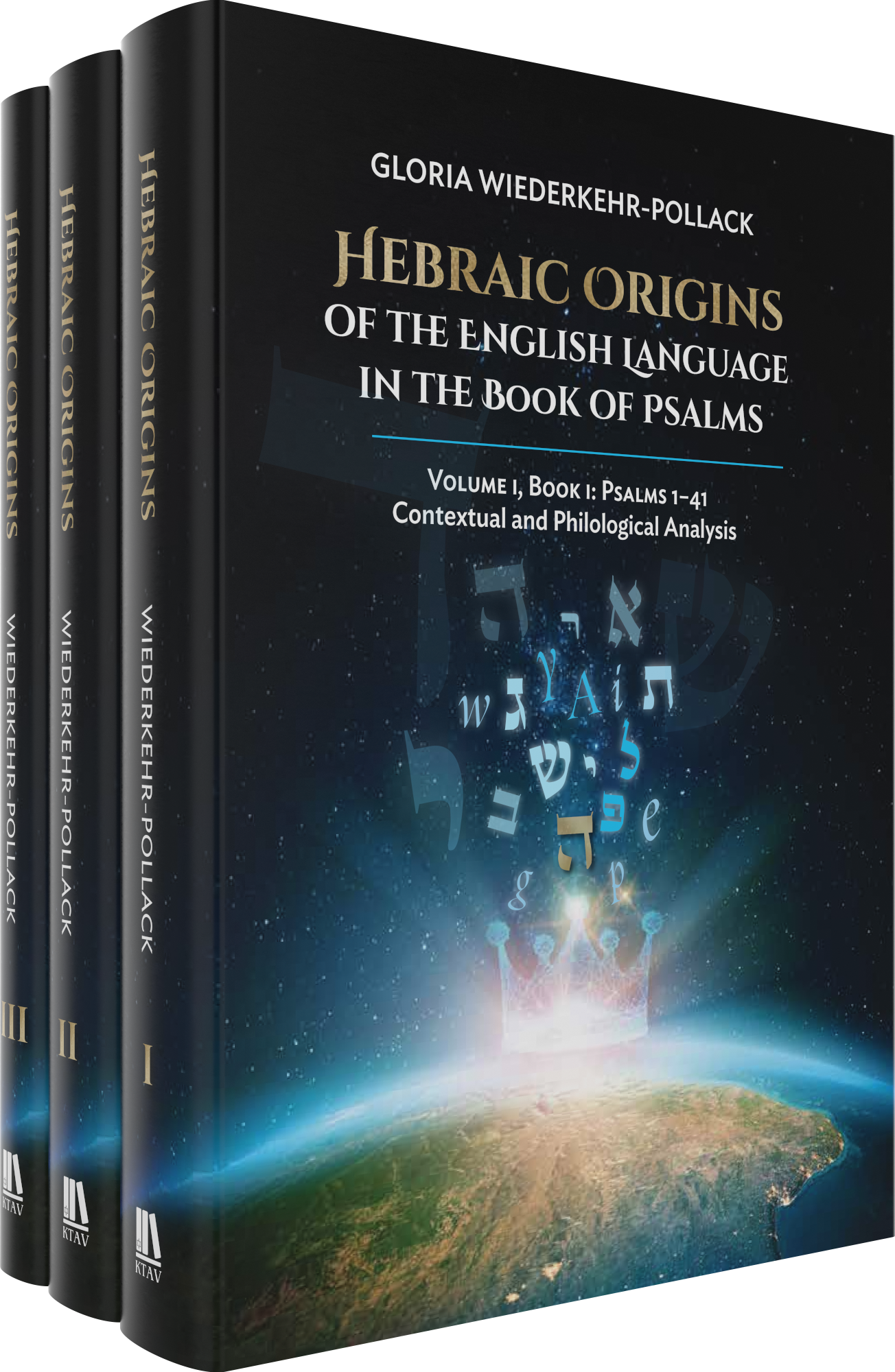
English biblical and linguistic commentary set in Arno Pro, with centred chapter openings, drop capitals and running heads that distinguish each Psalm. Compact English–Hebrew word-origin tables sit alongside the prose analysis, with numbered footnotes below. The appendix and hanging-indent bibliography extend the reference structure across the first forty-one Psalms.
English biblical and linguistic commentary set in Arno Pro, with centred chapter openings, drop capitals and running heads that distinguish each Psalm. Compact English–Hebrew word-origin tables sit alongside the prose analysis, with numbered footnotes below. The appendix and hanging-indent bibliography extend the reference structure across the first forty-one Psalms.
Frank Rühl sets the Hebrew text and smaller source notes, with a lighter cut for short labels. Bnei Haor sets the large opening titles, and Narkis Classic sets the numbered headings and subheadings.
Frank Rühl sets the Hebrew text and smaller source notes, with a lighter cut for short labels. Bnei Haor sets the large opening titles, and Narkis Classic sets the numbered headings and subheadings.
The essays are set in Arno in a single column, with numbered bold subheadings and compact footnotes. Albertan is used for the centred chapter titles and section headings. The contents and introduction headings use Verdigris.
The essays are set in Arno in a single column, with numbered bold subheadings and compact footnotes. Albertan is used for the centred chapter titles and section headings. The contents and introduction headings use Verdigris.
The English commentary is set in Arno, with headings in Ideal Sans. Indented source extracts pair Hebrew quotations in Frank Rühl with English translations. Numbered footnotes sit below the text, and the selected pages show compact comparison tables and a branching question diagram.
The English commentary is set in Arno, with headings in Ideal Sans. Indented source extracts pair Hebrew quotations in Frank Rühl with English translations. Numbered footnotes sit below the text, and the selected pages show compact comparison tables and a branching question diagram.
English and Hebrew typography in Arno Pro combines prayer commentary with inset quotations, compact notes and shaded reflection panels. A recurring ladder illustration marks progress through the Siddur, while heading levels and distinct source attributions organise the different kinds of text.
English and Hebrew typography in Arno Pro combines prayer commentary with inset quotations, compact notes and shaded reflection panels. A recurring ladder illustration marks progress through the Siddur, while heading levels and distinct source attributions organise the different kinds of text.
The English text is set in Arno. Chapter openings pair centred headings above a fine rule with epigraphs in Arno Italic and large drop capitals. Indented dialogue and quotations, a labelled diagram, compact footnotes and centred folios organise the single-column pages.
The English text is set in Arno. Chapter openings pair centred headings above a fine rule with epigraphs in Arno Italic and large drop capitals. Indented dialogue and quotations, a labelled diagram, compact footnotes and centred folios organise the single-column pages.
The English text is set in Arno, with Allumi for the larger section headings. A pale vertical rule marks section openings. Scientific diagrams, figure captions and compact footnotes accompany the text, and running heads use small caps and italics.
The English text is set in Arno, with Allumi for the larger section headings. A pale vertical rule marks section openings. Scientific diagrams, figure captions and compact footnotes accompany the text, and running heads use small caps and italics.
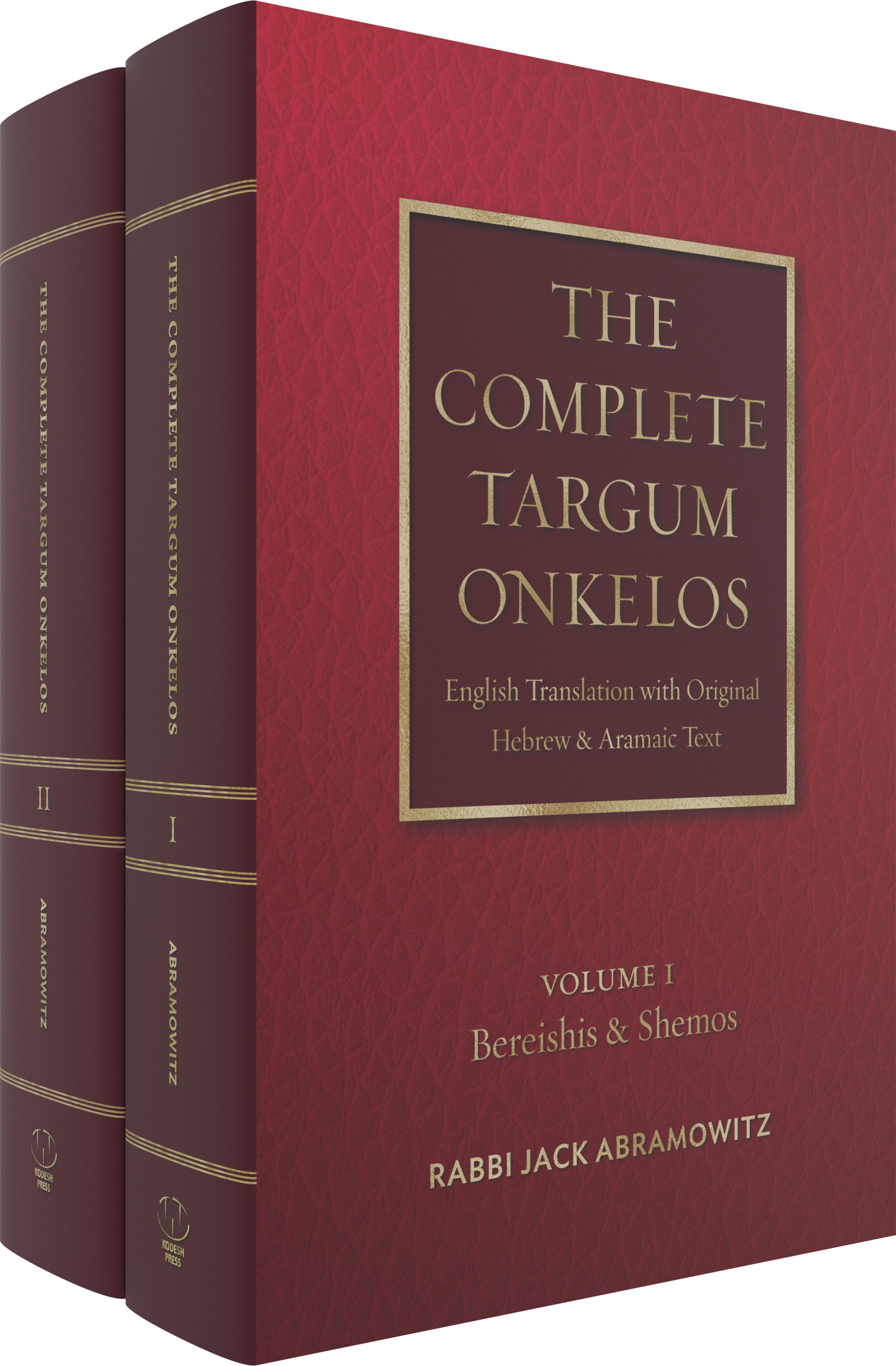
Livorna sets the cantillated Hebrew Torah text, Hadasa sets the pointed Aramaic Targum, and Arno sets the English translation. Bold English phrases distinguish translated wording from explanation. Requiem running heads and ribbon-shaped reading labels guide the reader through the three languages.
Livorna sets the cantillated Hebrew Torah text, Hadasa sets the pointed Aramaic Targum, and Arno sets the English translation. Bold English phrases distinguish translated wording from explanation. Requiem running heads and ribbon-shaped reading labels guide the reader through the three languages.
The English commentary is set in Arno in a single column. Hebrew phrases and longer quotations are set in Frank Rühl. Smaller bilingual notes sit beneath short rules, with small-cap running heads and outside folios identifying each topic.
The English commentary is set in Arno in a single column. Hebrew phrases and longer quotations are set in Frank Rühl. Smaller bilingual notes sit beneath short rules, with small-cap running heads and outside folios identifying each topic.
The English commentary is set in Arno. Ideal Sans headings and framed explanatory panels distinguish the main divisions. Indented or boxed biblical quotations sit beside numbered footnotes in a smaller size. Frank Rühl is used for the Hebrew entries in the Defined Terms list. Small-cap running heads and outside folios identify each spread.
The English commentary is set in Arno. Ideal Sans headings and framed explanatory panels distinguish the main divisions. Indented or boxed biblical quotations sit beside numbered footnotes in a smaller size. Frank Rühl is used for the Hebrew entries in the Defined Terms list. Small-cap running heads and outside folios identify each spread.
The English translations and commentary are set in Arno in a single column. Vocalised Hebrew source passages are set in Frank Rühl. Chapter openings use Tzimmes headings above a fine rule, with a drop capital leading into the text. Smaller footnotes accommodate extended Hebrew extracts and brief references.
The English translations and commentary are set in Arno in a single column. Vocalised Hebrew source passages are set in Frank Rühl. Chapter openings use Tzimmes headings above a fine rule, with a drop capital leading into the text. Smaller footnotes accommodate extended Hebrew extracts and brief references.
Livorna sets the cantillated Hebrew Torah text, Hadasa sets the pointed Aramaic Targum, and Arno sets the English translation. The three texts follow one another in blocks on the same page. Requiem is used for running heads and reading labels, and compact footnotes explain translation choices.
Livorna sets the cantillated Hebrew Torah text, Hadasa sets the pointed Aramaic Targum, and Arno sets the English translation. The three texts follow one another in blocks on the same page. Requiem is used for running heads and reading labels, and compact footnotes explain translation choices.
Arno sets the English commentary, with Ideal Sans for the essay titles. Chapter openings combine italic psalm references with large drop capitals. Indented biblical quotations, numbered lists and notes gathered at the end of each essay support the reading.
Arno sets the English commentary, with Ideal Sans for the essay titles. Chapter openings combine italic psalm references with large drop capitals. Indented biblical quotations, numbered lists and notes gathered at the end of each essay support the reading.
Arno sets the English text and smaller numbered notes. Frank Rühl sets the pointed Hebrew quotations, and Ideal Sans distinguishes the headings and small italic summaries.
Arno sets the English text and smaller numbered notes. Frank Rühl sets the pointed Hebrew quotations, and Ideal Sans distinguishes the headings and small italic summaries.
Arno sets the English commentary and its smaller numbered notes. Frank Rühl sets the vocalised Hebrew verses, while Ideal Sans sets the chapter headings, subheadings and italic summaries.
Arno sets the English commentary and its smaller numbered notes. Frank Rühl sets the vocalised Hebrew verses, while Ideal Sans sets the chapter headings, subheadings and italic summaries.
An English memoir set in a steady single-column serif text, with indented paragraphs and italic titles within the narrative. Paired small-cap running heads and page numbers guide the chapters; bold subheadings introduce changes of topic, while an occasional footnote sits beneath a short rule without interrupting the main reading measure.
An English memoir set in a steady single-column serif text, with indented paragraphs and italic titles within the narrative. Paired small-cap running heads and page numbers guide the chapters; bold subheadings introduce changes of topic, while an occasional footnote sits beneath a short rule without interrupting the main reading measure.
The book is set in Arno. Small-cap running heads and dated section headings organise the letters and memoir, with italic transliteration and bold-italic entries distinguishing the concluding glossary.
The book is set in Arno. Small-cap running heads and dated section headings organise the letters and memoir, with italic transliteration and bold-italic entries distinguishing the concluding glossary.
Arno sets the English text and smaller numbered notes. Condensed Myriad sets the section headings, rabbinic profile headings and compact text in the summary charts.
Arno sets the English text and smaller numbered notes. Condensed Myriad sets the section headings, rabbinic profile headings and compact text in the summary charts.
Arno sets the English text and smaller numbered notes. Condensed Myriad marks the practical headings and rabbinic profiles and fits the labels and explanations into the summary charts.
Arno sets the English text and smaller numbered notes. Condensed Myriad marks the practical headings and rabbinic profiles and fits the labels and explanations into the summary charts.
Arno sets the two-column English commentary beneath Hebrew psalm verses in Koren Tanakh Bold. Opal supplies psalm numbers, introductions and English running heads; Barcelona sets the Hebrew running heads. Bold verse phrases and inline Hebrew quotations connect the commentary to the biblical text.
Arno sets the two-column English commentary beneath Hebrew psalm verses in Koren Tanakh Bold. Opal supplies psalm numbers, introductions and English running heads; Barcelona sets the Hebrew running heads. Bold verse phrases and inline Hebrew quotations connect the commentary to the biblical text.
Numbered reflections open with centred titles and short flanking rules, leading into serif text, verse and inset quotations. Small-cap running heads, Pāli and Sanskrit diacritics, numbered lists and substantial footnotes carry a clear hierarchy across the English translation; comparative tables extend the structure into the appendices.
Numbered reflections open with centred titles and short flanking rules, leading into serif text, verse and inset quotations. Small-cap running heads, Pāli and Sanskrit diacritics, numbered lists and substantial footnotes carry a clear hierarchy across the English translation; comparative tables extend the structure into the appendices.
The second Barkai volume brings Hebrew discussion, practical questions and source quotations into a consistent single-column layout. Bold lettered and numbered headings divide the argument; compact footnotes, contributor running heads and outside folios support the longer essays.
The second Barkai volume brings Hebrew discussion, practical questions and source quotations into a consistent single-column layout. Bold lettered and numbered headings divide the argument; compact footnotes, contributor running heads and outside folios support the longer essays.
The Hebrew text is set in Hadasa, with Semantica headings. Hebrew reading text runs in a compact single column, with blue chapter headings, running heads and folios. Large initial letters are paired with small character illustrations at chapter openings; numbered practical exercises and occasional English terms are integrated into the right-to-left text.
The Hebrew text is set in Hadasa, with Semantica headings. Hebrew reading text runs in a compact single column, with blue chapter headings, running heads and folios. Large initial letters are paired with small character illustrations at chapter openings; numbered practical exercises and occasional English terms are integrated into the right-to-left text.
The English translation uses a single-column serif text with Pāli and Sanskrit diacritics, indented quotations and numbered explanatory footnotes. Italic running heads distinguish sections and chapters, while numbered lists and a hanging-entry bibliography organise the reference material.
The English translation uses a single-column serif text with Pāli and Sanskrit diacritics, indented quotations and numbered explanatory footnotes. Italic running heads distinguish sections and chapters, while numbered lists and a hanging-entry bibliography organise the reference material.
English typesetting in ITC Legacy sets the biblical commentary in a steady single-column serif text. Centred chapter openings combine spaced small capitals, a fine rule and a larger title. Alternating small-cap running heads and outside folios guide the reader, while indented paragraphs, italic transliterations, numbered arguments and a small ornamental break distinguish the discussion and quoted passages.
English typesetting in ITC Legacy sets the biblical commentary in a steady single-column serif text. Centred chapter openings combine spaced small capitals, a fine rule and a larger title. Alternating small-cap running heads and outside folios guide the reader, while indented paragraphs, italic transliterations, numbered arguments and a small ornamental break distinguish the discussion and quoted passages.
Pointed Hebrew prayers, English translations and italic transliteration are grouped in pale yellow panels, with commentary separated by fine burgundy rules. Serif reading text, centred folios and small-cap chapter headings sit alongside colour artwork strips and monochrome drawings; full-colour part openings mark the book’s eight themes.
Pointed Hebrew prayers, English translations and italic transliteration are grouped in pale yellow panels, with commentary separated by fine burgundy rules. Serif reading text, centred folios and small-cap chapter headings sit alongside colour artwork strips and monochrome drawings; full-colour part openings mark the book’s eight themes.
Frank Rühl sets the Hebrew text and footnotes, with Brill for Latin-script references. Koren Tanakh sets the part and chapter headings. Optimum sets the map captions, and running heads alternate between the chapter and section names.
Frank Rühl sets the Hebrew text and footnotes, with Brill for Latin-script references. Koren Tanakh sets the part and chapter headings. Optimum sets the map captions, and running heads alternate between the chapter and section names.