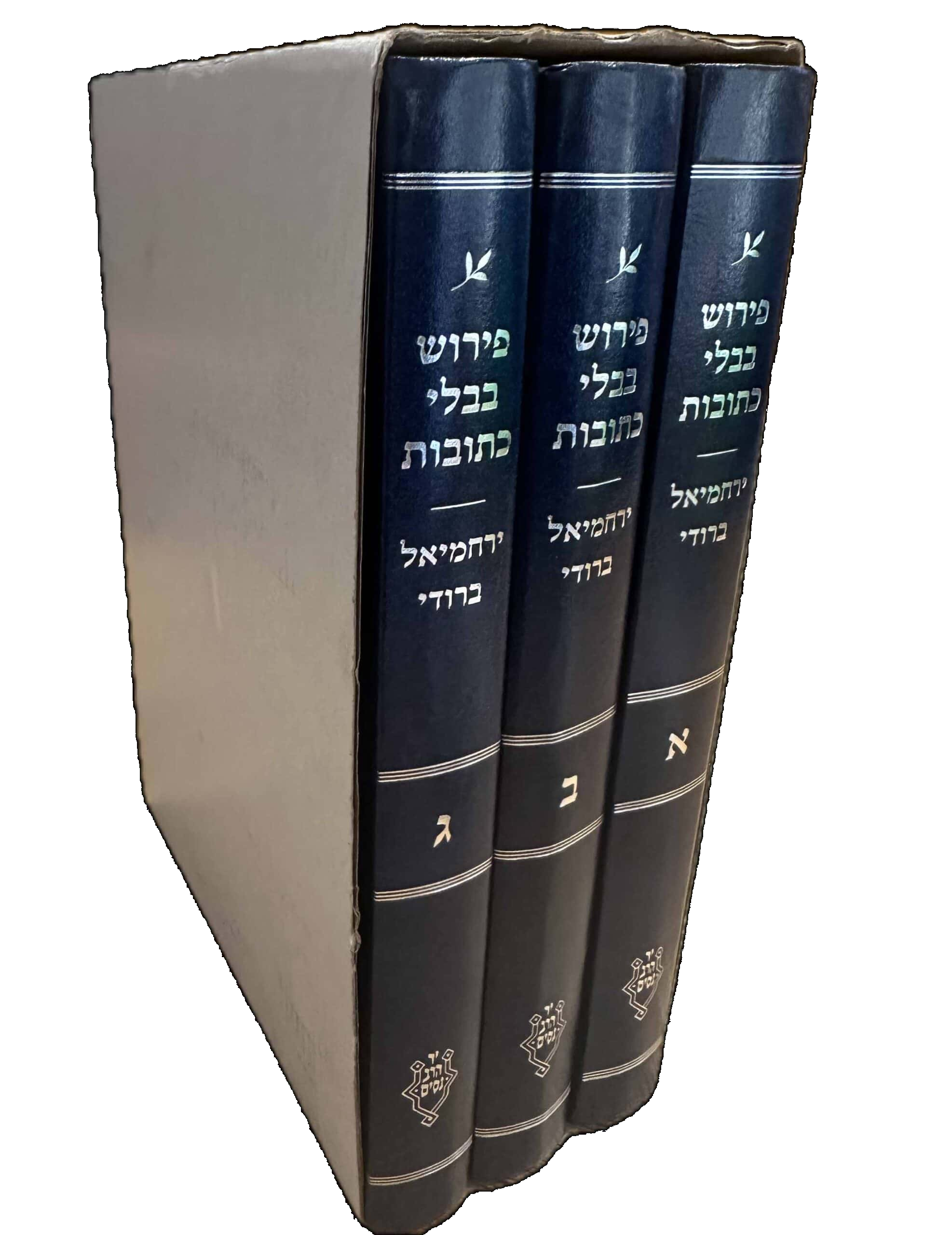
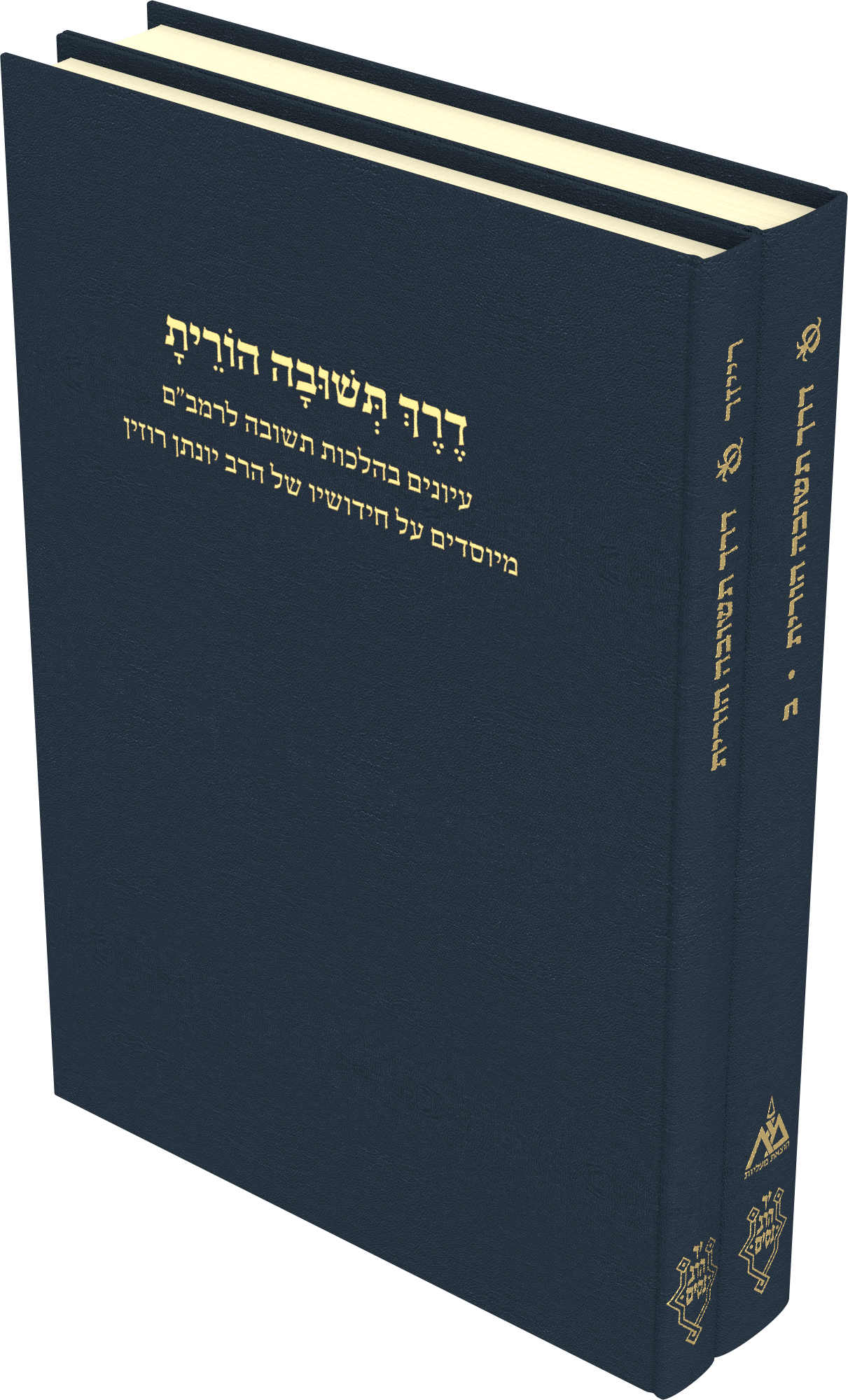
Our research institute recently published four books using Raphaël Freeman’s excellent services. Raphaël combines professionalism, reliability, responsibility, and a desire to give his clients the best possible result.
Working with Raphaël is also a pleasure on a personal level. Communication with him is excellent, and his insightful, sound advice reflects his extensive experience in book production.
At our institute, we have published several books with him that required different kinds of text – original text, translation, notes, and textual variants – to be combined on a single spread. Raphaël found solutions to all the graphic and aesthetic difficulties that arose, and the result was extremely impressive.
At first, we engaged Raphaël only to typeset the books, but very soon we also began using the other services he offers (printing plates, printing, and binding). We are very pleased with the quality of the result and, no less importantly, with the costs, delivery times, and his sense of responsibility.
I believe anyone who chooses Raphaël Freeman’s services will be a very satisfied client.
Translated from the Hebrew.
חנן בניהו מנהל הוצאה לאור – יד הרב נסים
מכון המחקר שלנו פרסם לאחרונה ארבעה ספרים באמצעות השרות המעולה של רפאל פרימן. השרות של רפאל משלב מקצועיות, אמינות, אחריות ורצון לספק ללקוחותיו את התוצר הטוב ביותר. בנוסף על כך, העבודה עם רפאל היא גם נעימה ביותר במישור האישי, התקשורת איתו מצויינת, הערותיו מחכימות ונכונות ומבטאות נסיון רב ועשיר בעולם עשיית הספרים. במכוננו הוצאנו באמצעותו מספר ספרים שבהם היה צורך לשלב טקסטים מסוגים שונים, כגון מקור, תרגום, הערות ושינויי נוסח במיפתח אחד. רפאל השכיל למצוא פתרונות לכל הקשיים הגראפיים והאסתטיים שעלו, והתוצר היה מרשים ביותר. בתחילה שכרנו את שרותיו של רפאל רק לצורך עימוד הספרים, אבל מהר מאד שכרנו את יתר השירותים שהוא מציע (לוחות, הדפסה וכריכה) ואנו מרוצים מאד מאיכות התוצר ולא פחות חשוב – מהעלויות, זמני האספקה והאחריות. חושבני, שמי שיבחר בשרותיו של רפאל פרימן – יהיה לקוח מרוצה מאד.
Dates use the first edition in the language and format shown where verified. Other entries retain their recorded work dates while we check them. Books without a confirmed date follow alphabetically.
Right-to-left Hebrew prose uses bold chapter and section headings, inset quotations and occasional vocalised passages. Smaller numbered footnotes sit below short rules and accommodate both Hebrew sources and Latin-script bibliographic references. A decorative chapter marker and running heads with page numbers give the scholarly discussion a consistent structure.
Right-to-left Hebrew prose uses bold chapter and section headings, inset quotations and occasional vocalised passages. Smaller numbered footnotes sit below short rules and accommodate both Hebrew sources and Latin-script bibliographic references. A decorative chapter marker and running heads with page numbers give the scholarly discussion a consistent structure.
We typeset this scholarly collection of Geonic sources with a distinct hierarchy for Talmud folios, Hebrew and Aramaic passages, and editorial notes. Bold folio headings and lighter source openings distinguish the entries, while numbered references and compact footnotes support close comparison of the texts. Running heads identify the tractate and the folios covered on each opening.
We typeset this scholarly collection of Geonic sources with a distinct hierarchy for Talmud folios, Hebrew and Aramaic passages, and editorial notes. Bold folio headings and lighter source openings distinguish the entries, while numbered references and compact footnotes support close comparison of the texts. Running heads identify the tractate and the folios covered on each opening.
This critical edition pairs Saadya Gaon’s Judeo-Arabic legal texts with Hebrew translations on facing pages. Our typesetting distinguishes the line-numbered originals, manuscript variants and explanatory notes. The appendix also accommodates reconstructed fragments in parallel columns, retaining editorial brackets and gaps in the surviving text.
This critical edition pairs Saadya Gaon’s Judeo-Arabic legal texts with Hebrew translations on facing pages. Our typesetting distinguishes the line-numbered originals, manuscript variants and explanatory notes. The appendix also accommodates reconstructed fragments in parallel columns, retaining editorial brackets and gaps in the surviving text.
Large pointed Mishnah passages sit above smaller Hebrew commentary, with outer-margin summaries, numbered footnotes and running heads identifying each chapter and mishnah. The introduction uses Arabic folios, while the main text and two-column subject index use Hebrew-letter page references.
Large pointed Mishnah passages sit above smaller Hebrew commentary, with outer-margin summaries, numbered footnotes and running heads identifying each chapter and mishnah. The introduction uses Arabic folios, while the main text and two-column subject index use Hebrew-letter page references.